Home > Categories > Religion and the Supernatural
-

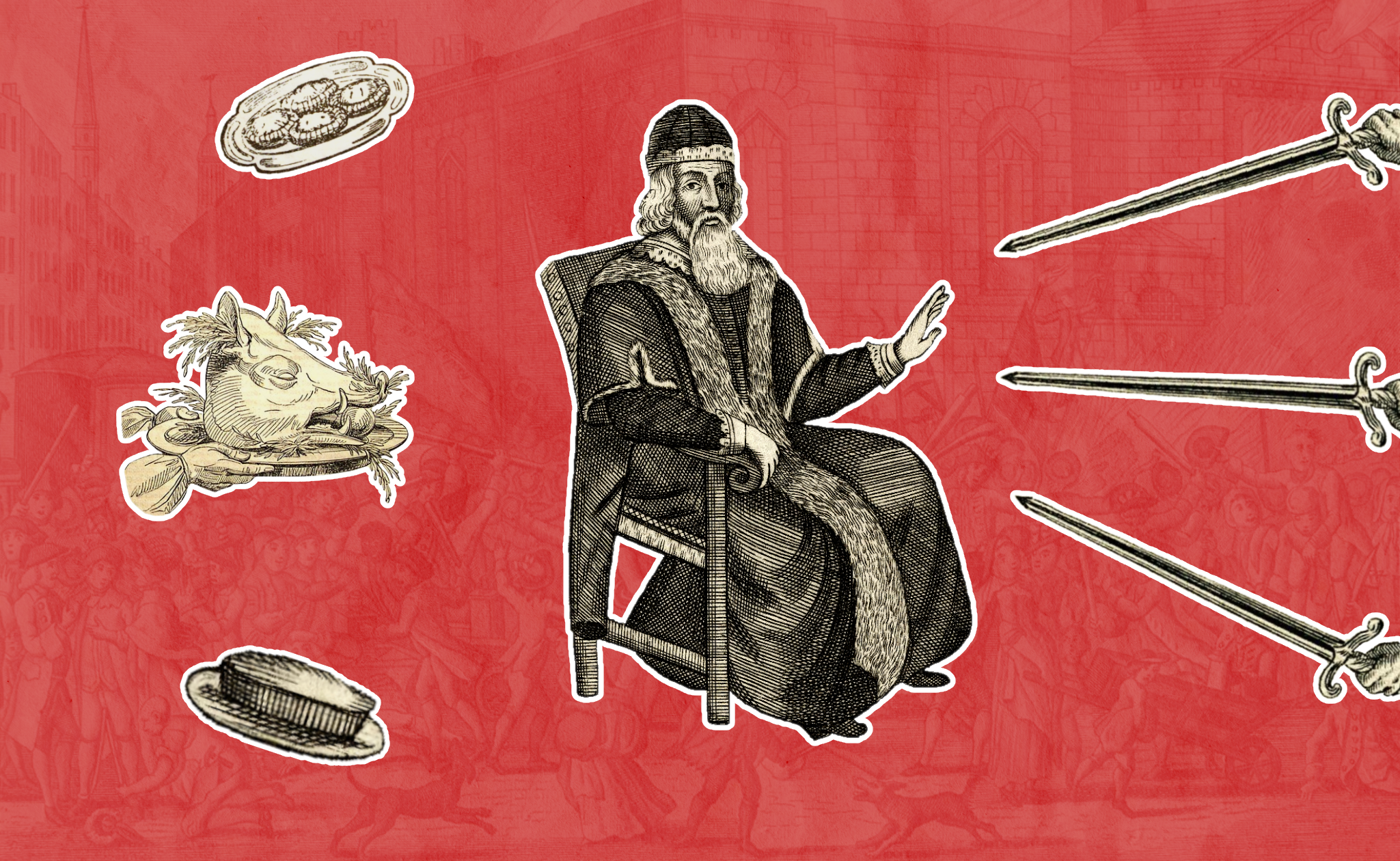
Why the Ghosts of Henry VIII and Cardinal Wolsey Haunted England’s Civil War
The Tudor monarch and Catholic statesman both appeared as restless spirits in revolutionary London, if polemical pamphlets of the time are to be believed.
Religion and the supernatural
Religion occupied a position in early modern English society which is almost impossible to exaggerate. Belief in God, and regular worship, was an important part of an individual’s life and the identities of local communities. The Tudor period had seen the very roots of English religious doctrine and practice called into question, as authorities attempted — with varying success — to enforce Protestantism (or, briefly under Mary I, Catholicism) across the country.
It was the printing press which allowed religious texts — including the liturgy, Bible, and theological treatises — to seep into parishes across the country and meant rousing sermons could be written up, taken to the press, and spread far and wide in printed form.
Religious authorities played a key role in regulating and censoring the print market, which could just as easily furnish dissenting religious texts — like the controversial puritan Marprelate pamphlets of the 1580s — as it could produce those favourable towards the Church of England.
Supernatural belief was also deeply enshrined in English culture. Commercially-minded booksellers rarely missed opportunities to capitalise on this fact. Their shops offered pamphlets telling of wondrous and incredible news — whether it be a ghostly haunting in London, a battle seen in the sky over Scotland, or a coven of witches uncovered in Lancashire.