-
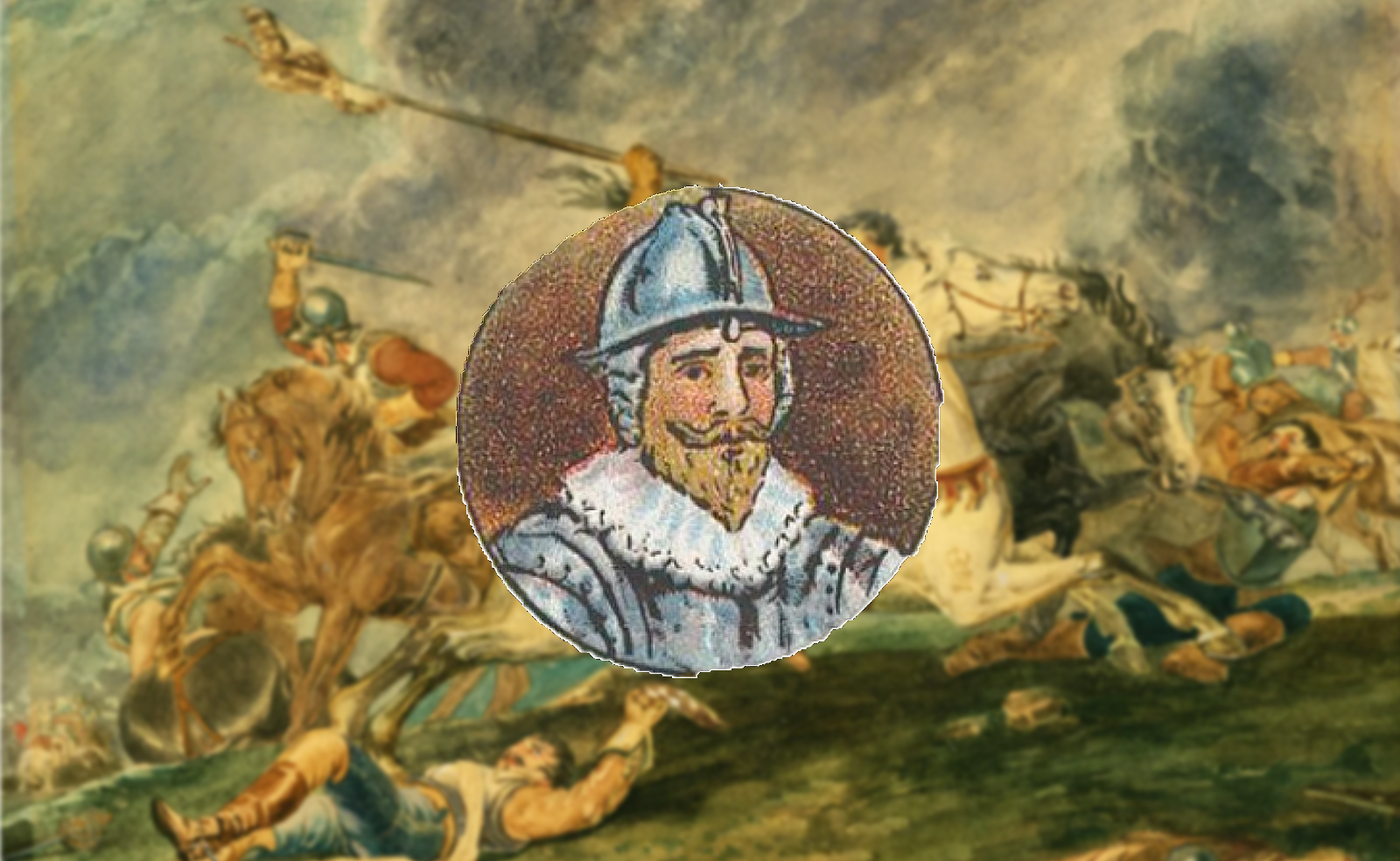
Was This English Civil War Soldier Really Beaten to Death With His Own Wooden Leg?
A gruesome story persists that the royalist army officer Arthur Aston was fatally bludgeoned with his own artificial limb — during one of the most horrific massacres in modern history.
-

One of Henry VIII’s Top Enforcers Secretly Saved ‘Dangerous’ Catholic Book From Destruction
Sir John Gage, who was tasked with overseeing the Protestant Reformation across the south of England, stashed away a copy of a controversial medieval bestseller.
-

These Playwrights Once Rivalled Shakespeare. Why Have They Been Forgotten?
Now almost invisible in popular culture, the dramatic works of Jonson, Marlowe, Dekker, and Kyd once packed the playhouses of London and made the Bard’s genius possible.
-

Spectacular Culture Wars Raged in England 400 Years Ago
Outraged by cross-dressing and rebellious youths, today’s culture warriors bear an uncanny resemblance to the moralists of the 1600s.
-

Did a 17th-Century Political Prisoner Help Inspire the American Revolution?
John Lilburne’s radical pamphlets threatened to turn Civil War England on its head. More than a century later, the Founding Fathers were influenced by some of the prominent Leveller’s ideas.
-

“I gave the blow caus’d thousand hearts to ache”: Was This the Man Who Beheaded Charles I?
Richard Brandon succeeded his father as the feared executioner of London. He hanged the city’s common criminals, beheaded various political malefactors — and, in 1649, may have struck the fatal blow to the King.
-

5 Ridiculous News Stories From 17th-Century England That Prove Clickbait Has Been Around Forever
From farting atheists to venomous dragons, publishers have been dishing out fake news since the dawn of Europe’s earliest newspapers.
-
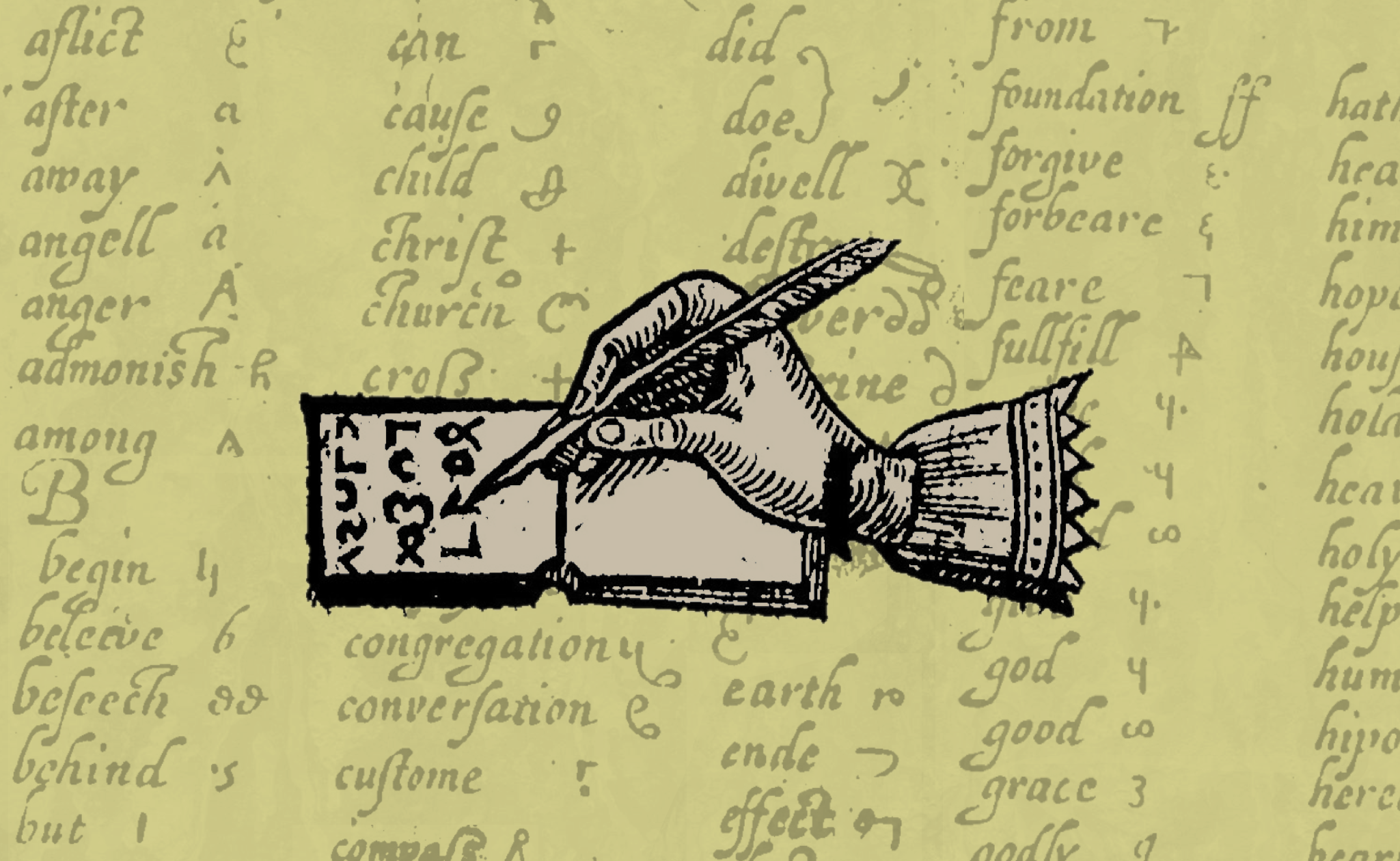
A History of Shorthand Writing: How It Shaped Shakespeare’s Plays and Powered Victorian Journalism
Whether jotting down a sermon or taking notes in court, the art of speedy writing has a long history — from Tudor ‘characterie’ to modern Teeline shorthand.
-
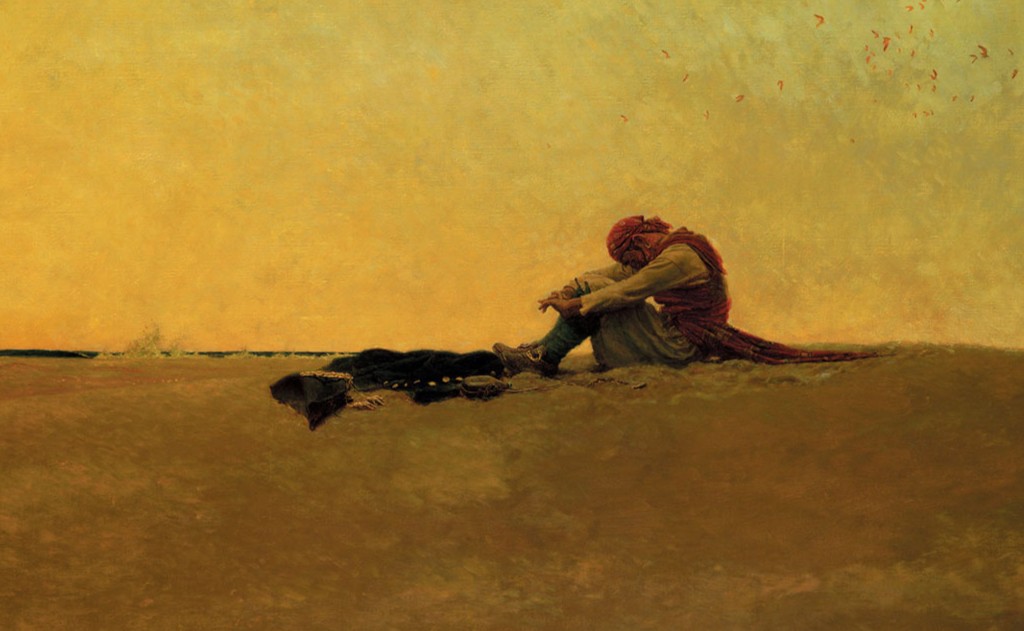
How a Marooned Sailor Became the 18th Century’s ‘Gay Robinson Crusoe’
Leendert Hasenbosch died after being abandoned on the uninhabited Ascension Island for the crime of sodomy in 1725. His diary account of the horrifying ordeal became a bestseller.
-
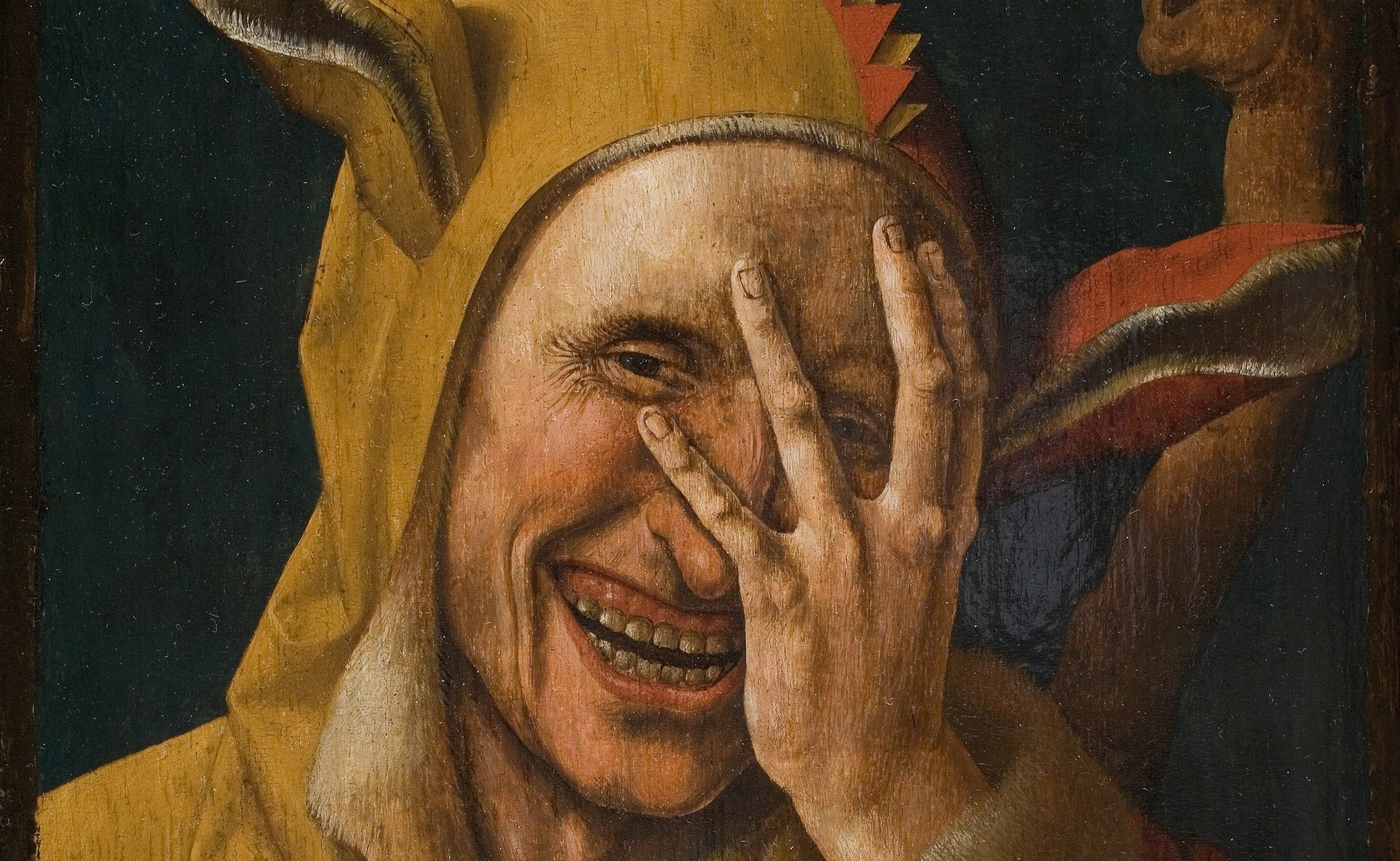
Did England’s Final Court Jester Have the Last Laugh?
Flamboyantly dressed and equipped with an arsenal of jokes, Muckle John was the clown of Charles I’s royal court. Civil war and the King’s execution made him England’s last.
-
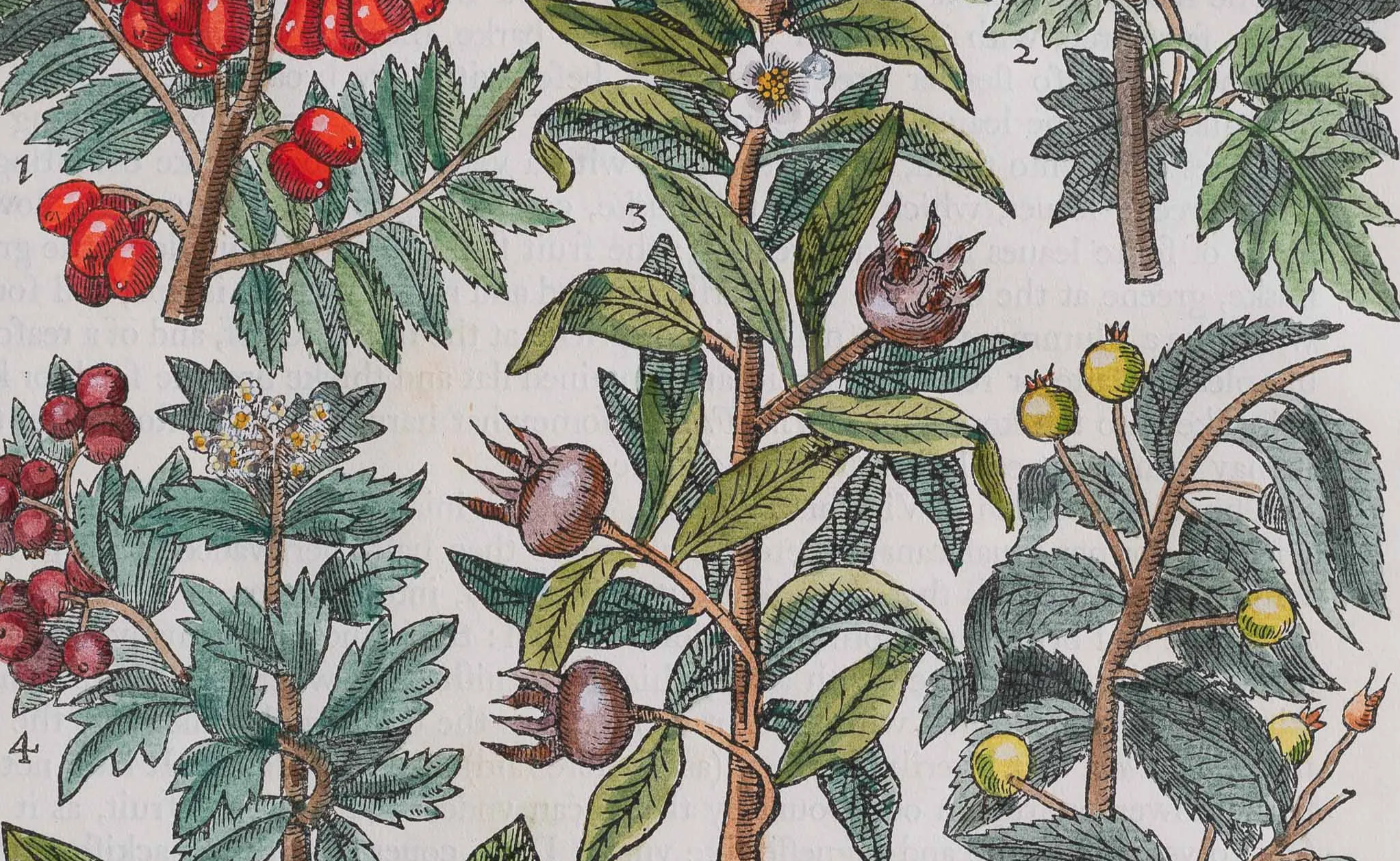
Two 16th-Century Physicians Disagreed on the Use of American Medicine. They Turned to God for Help.
In rival medical texts, Timothy Bright and Nicolás Monardes invoked religion to determine whether plants from the New World should be used in European remedies.
-

“The face is the dial of the mind”: Samuel Butler and the Science of People Watching
In dozens of brief essays, the 17th-century poet and satirist wittily catalogued and lampooned the personalities of Restoration England.
Recommended read
-
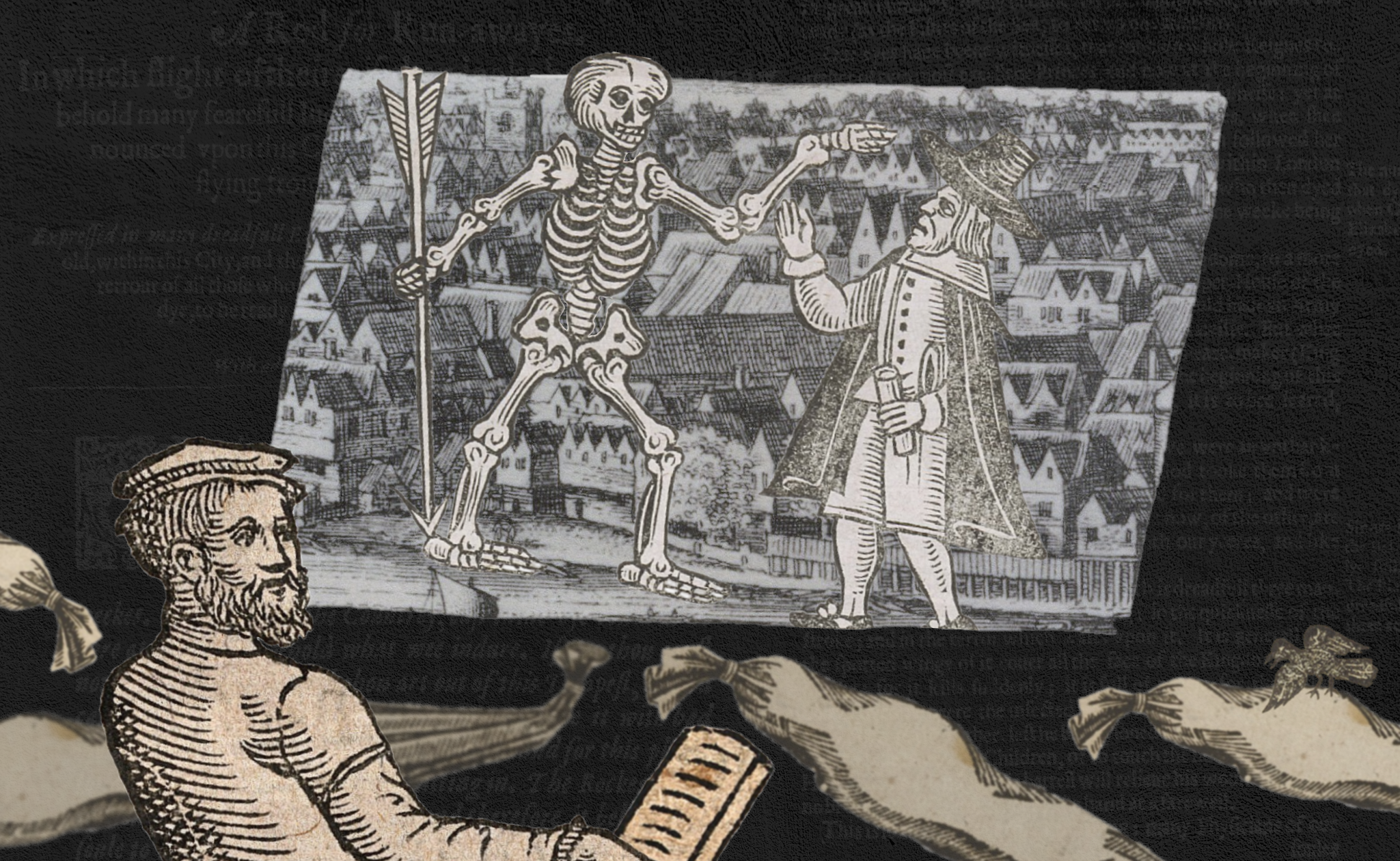
The Dramatist Who Dared Document England’s Forgotten Plague of 1625
Forty years before the Great Plague of London, the pestilence killed tens of thousands in England’s capital city — and was documented in grisly detail by Thomas Dekker.
Early Modern Scribbling is a history site about the Tudor and Stuart periods in England — and, in particular, the role of popular printed literature and storytelling. Inexpensive pamphlets exploded in popularity at this time, powered by a colourful cast of booksellers, printers, and writers. Some of these writers were labelled ‘scribblers’ by their detractors. Their works are invaluable for understanding popular religious belief, social history, and the emergence of journalistic writing.
Browse by category



SUBSCRIBE
(For free!)
If you enjoy Early Modern Scribbling‘s content, please consider subscribing for free by entering your email address below
to be notified of new posts.