All Articles
(For previous newsletters, visit the Newsletter Archive)
-
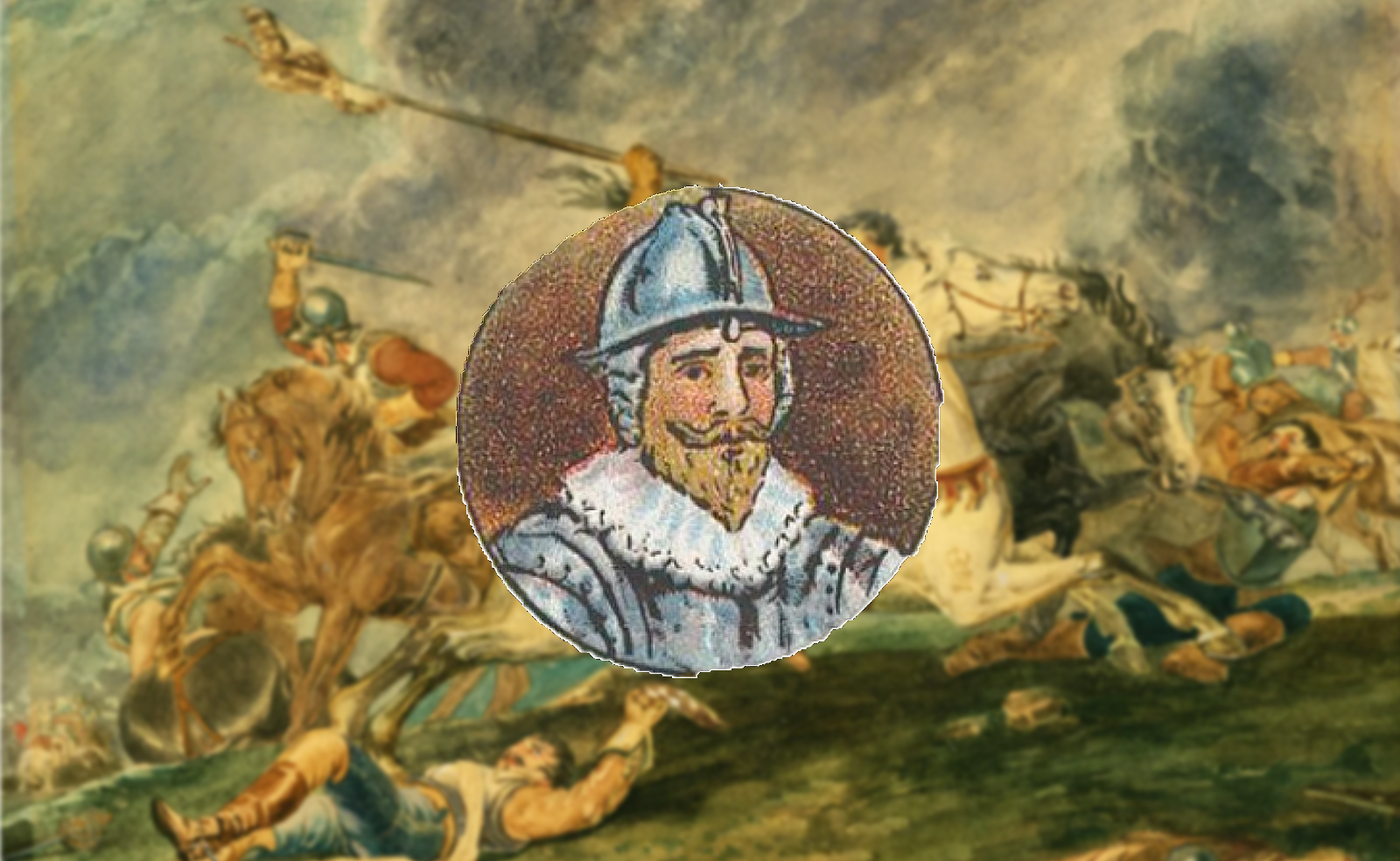
Was This English Civil War Soldier Really Beaten to Death With His Own Wooden Leg?
A gruesome story persists that the royalist army officer Arthur Aston was fatally bludgeoned with his own artificial limb — during one of the most horrific massacres in modern history.
-

One of Henry VIII’s Top Enforcers Secretly Saved ‘Dangerous’ Catholic Book From Destruction
Sir John Gage, who was tasked with overseeing the Protestant Reformation across the south of England, stashed away a copy of a controversial medieval bestseller.
-

These Playwrights Once Rivalled Shakespeare. Why Have They Been Forgotten?
Now almost invisible in popular culture, the dramatic works of Jonson, Marlowe, Dekker, and Kyd once packed the playhouses of London and made the Bard’s genius possible.
-

Spectacular Culture Wars Raged in England 400 Years Ago
Outraged by cross-dressing and rebellious youths, today’s culture warriors bear an uncanny resemblance to the moralists of the 1600s.
-

Did a 17th-Century Political Prisoner Help Inspire the American Revolution?
John Lilburne’s radical pamphlets threatened to turn Civil War England on its head. More than a century later, the Founding Fathers were influenced by some of the prominent Leveller’s ideas.
-

“I gave the blow caus’d thousand hearts to ache”: Was This the Man Who Beheaded Charles I?
Richard Brandon succeeded his father as the feared executioner of London. He hanged the city’s common criminals, beheaded various political malefactors — and, in 1649, may have struck the fatal blow to the King.
-

5 Ridiculous News Stories From 17th-Century England That Prove Clickbait Has Been Around Forever
From farting atheists to venomous dragons, publishers have been dishing out fake news since the dawn of Europe’s earliest newspapers.
-
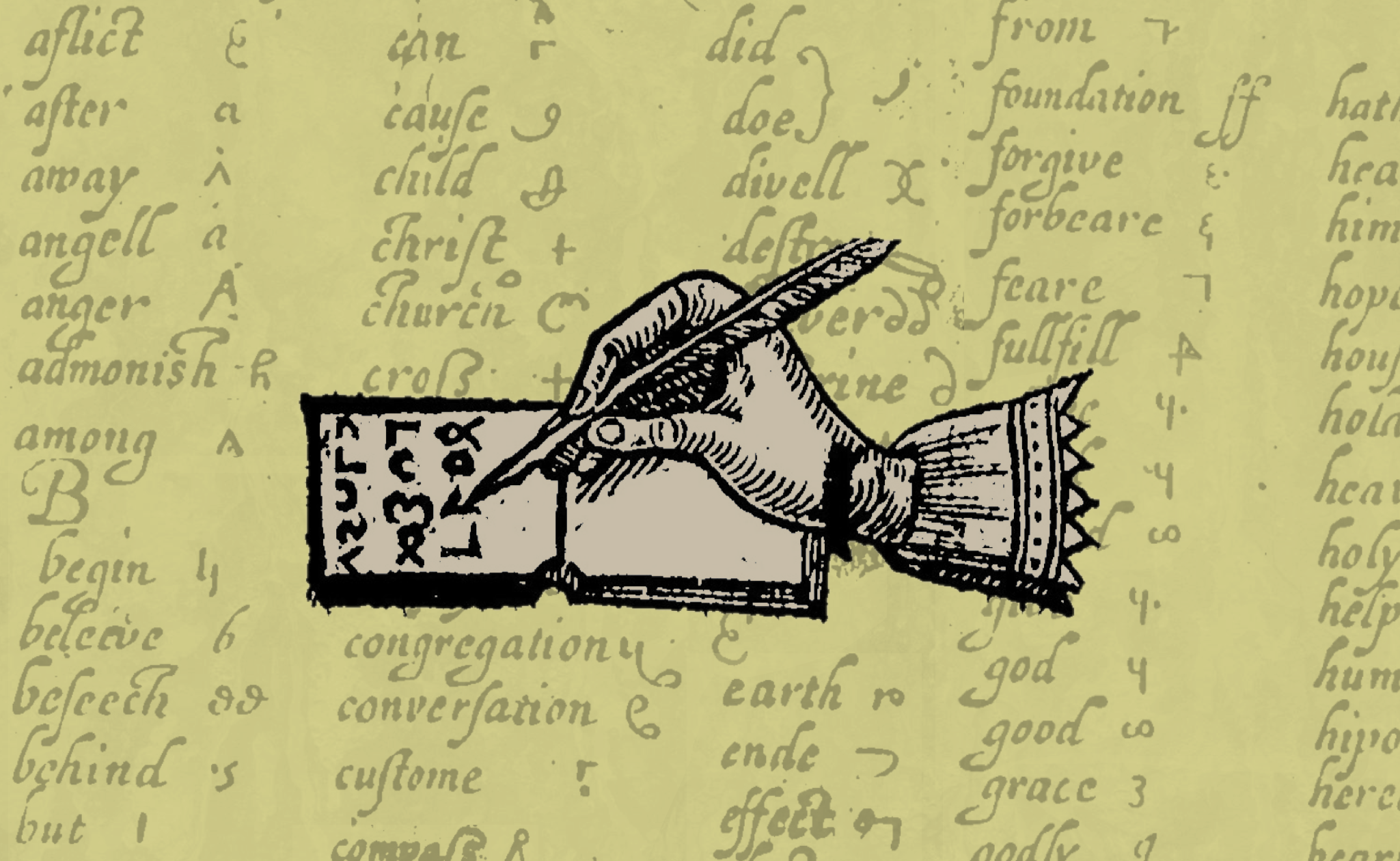
A History of Shorthand Writing: How It Shaped Shakespeare’s Plays and Powered Victorian Journalism
Whether jotting down a sermon or taking notes in court, the art of speedy writing has a long history — from Tudor ‘characterie’ to modern Teeline shorthand.
-
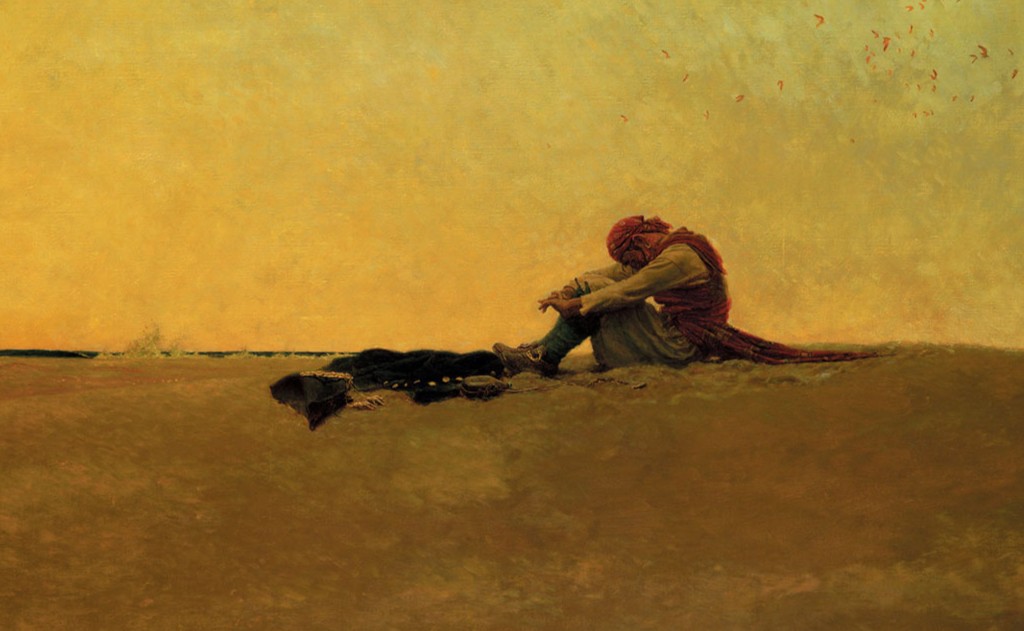
How a Marooned Sailor Became the 18th Century’s ‘Gay Robinson Crusoe’
Leendert Hasenbosch died after being abandoned on the uninhabited Ascension Island for the crime of sodomy in 1725. His diary account of the horrifying ordeal became a bestseller.
-
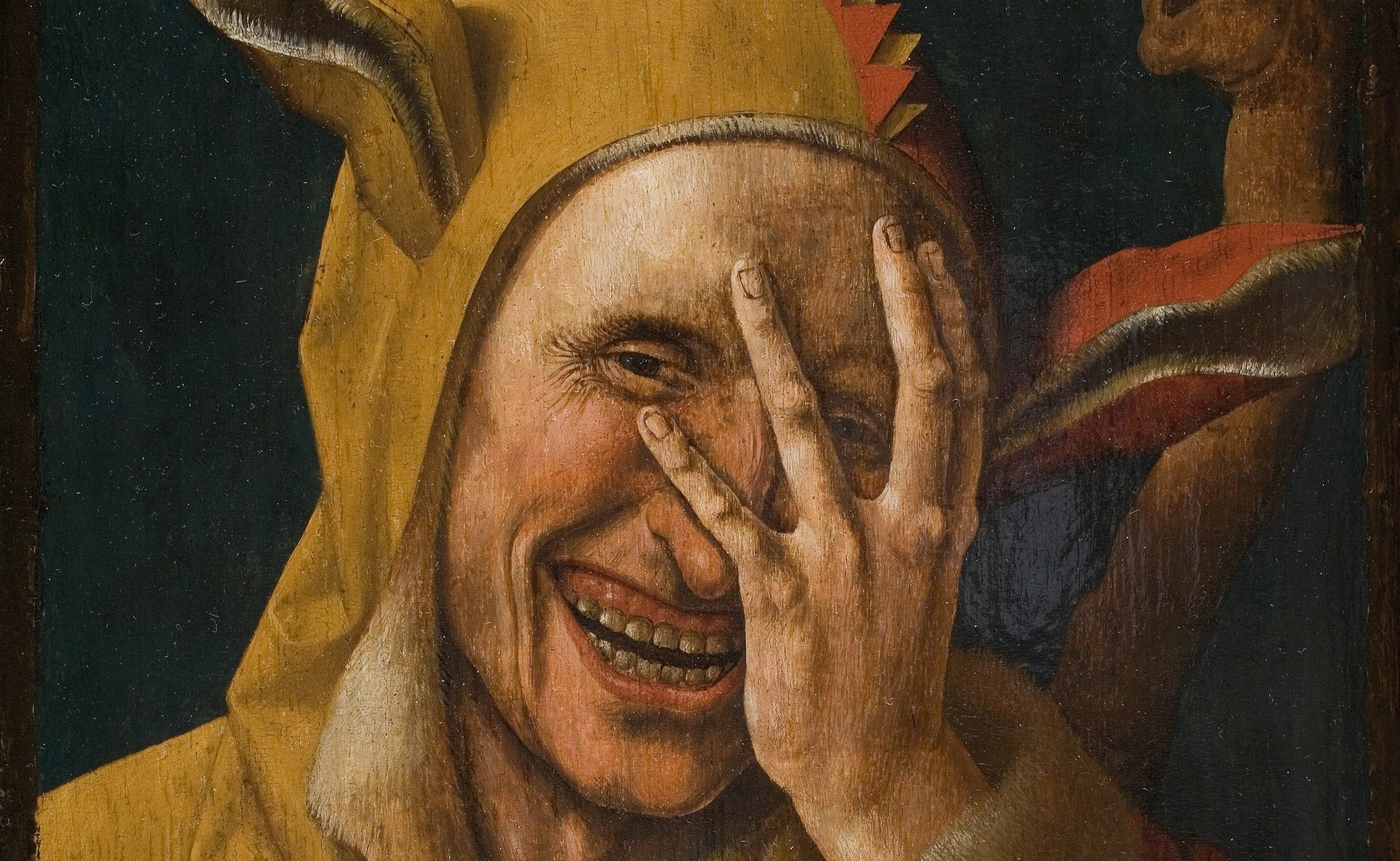
Did England’s Final Court Jester Have the Last Laugh?
Flamboyantly dressed and equipped with an arsenal of jokes, Muckle John was the clown of Charles I’s royal court. Civil war and the King’s execution made him England’s last.
-
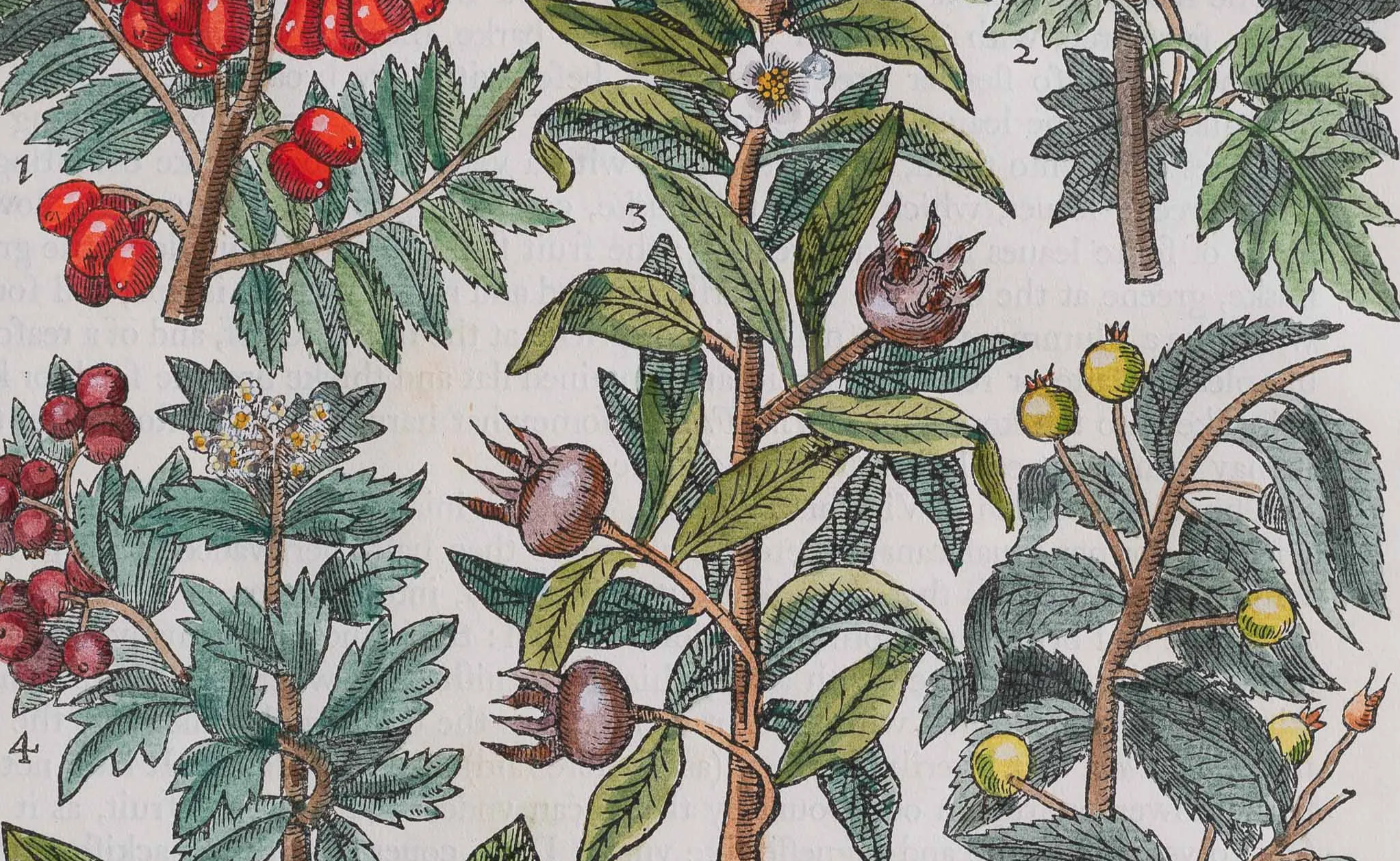
Two 16th-Century Physicians Disagreed on the Use of American Medicine. They Turned to God for Help.
In rival medical texts, Timothy Bright and Nicolás Monardes invoked religion to determine whether plants from the New World should be used in European remedies.
-

“The face is the dial of the mind”: Samuel Butler and the Science of People Watching
In dozens of brief essays, the 17th-century poet and satirist wittily catalogued and lampooned the personalities of Restoration England.
-
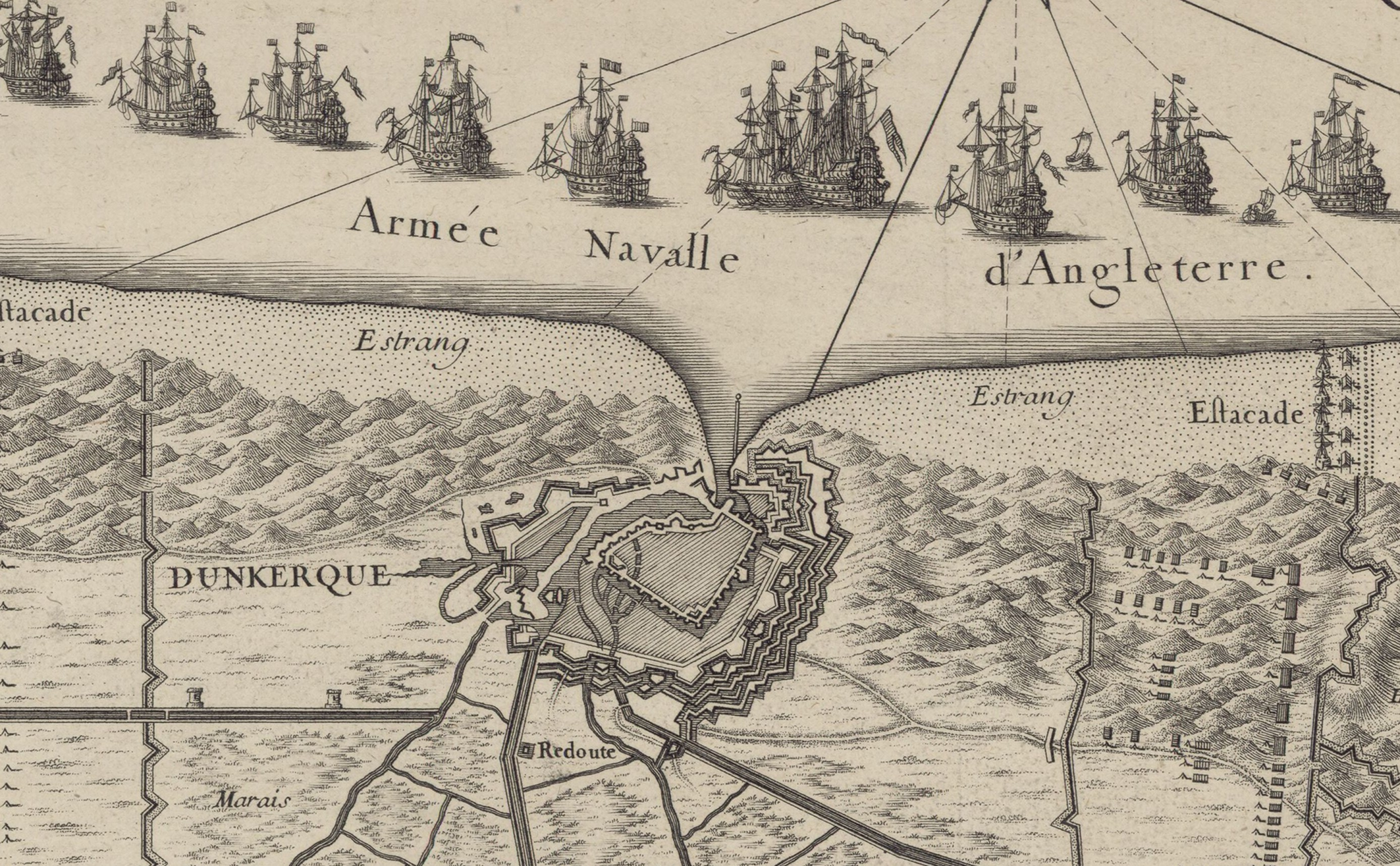
How England’s Sale of Dunkirk to France in 1662 Helped Shape the US Constitution
Charles II courted scandal by pawning off the territory only four years after its stunning capture. The Founding Fathers recalled this cautionary tale when debating the powers of presidency.
-
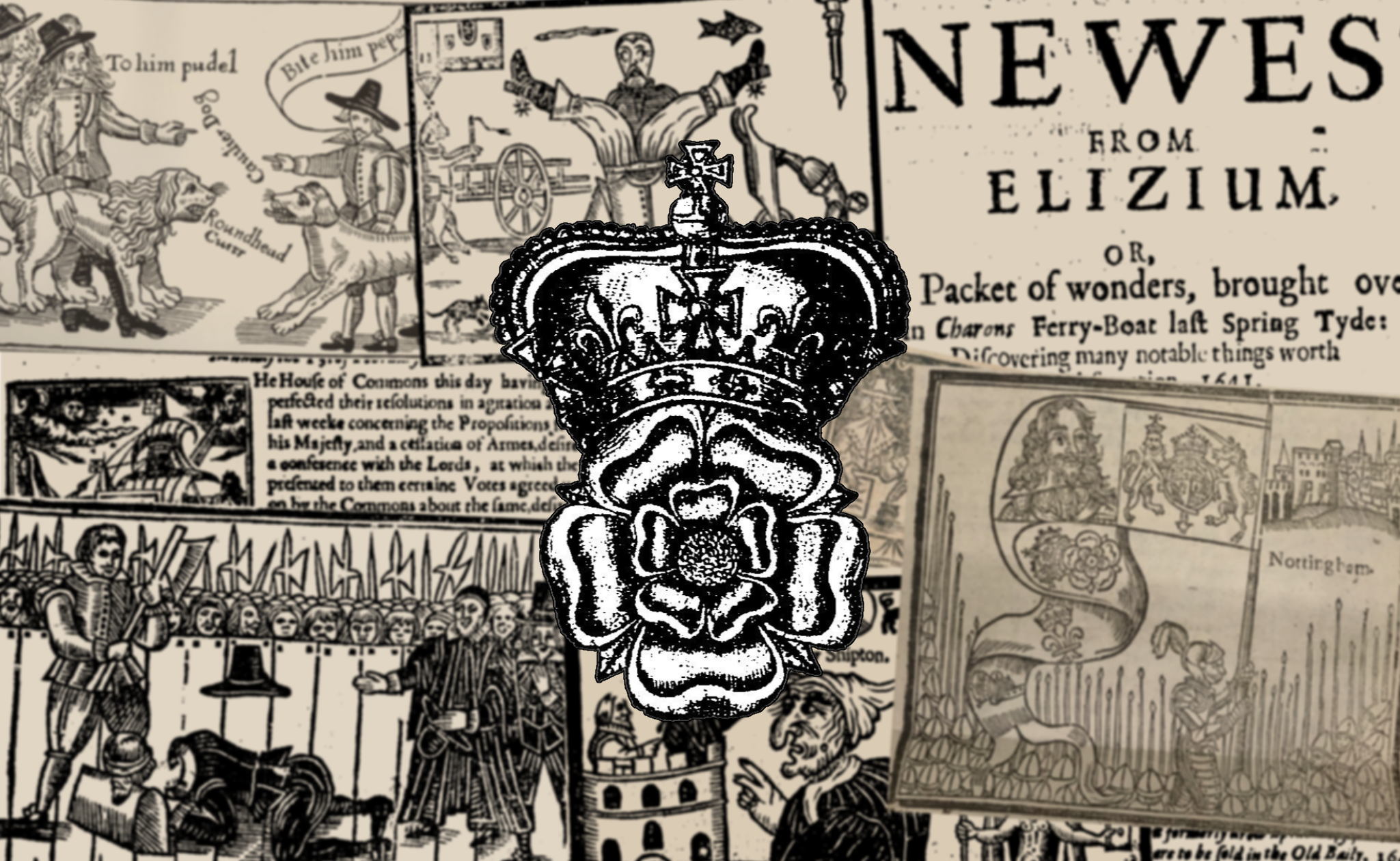
The Zealous Book Collector Who Chronicled the English Civil War
Between 1641 and 1661, the publisher George Thomason compiled more than 22,000 pamphlets, newsbooks, and ballads covering the tumultuous politics of the English Revolution and Interregnum.
-

The Unsavoury History of England’s Pancake Day Protests
We’ve been feasting on pancakes on Shrove Tuesday for more than 500 years — but London’s apprentices, armed with cudgels and hammers, once gave the day a reputation for violence.
-

Were People Really Better at Writing in the Past?
The prose of bygone years was more florid, wordy, and syntactically unconventional than our own. Does that really mean it was superior?
-
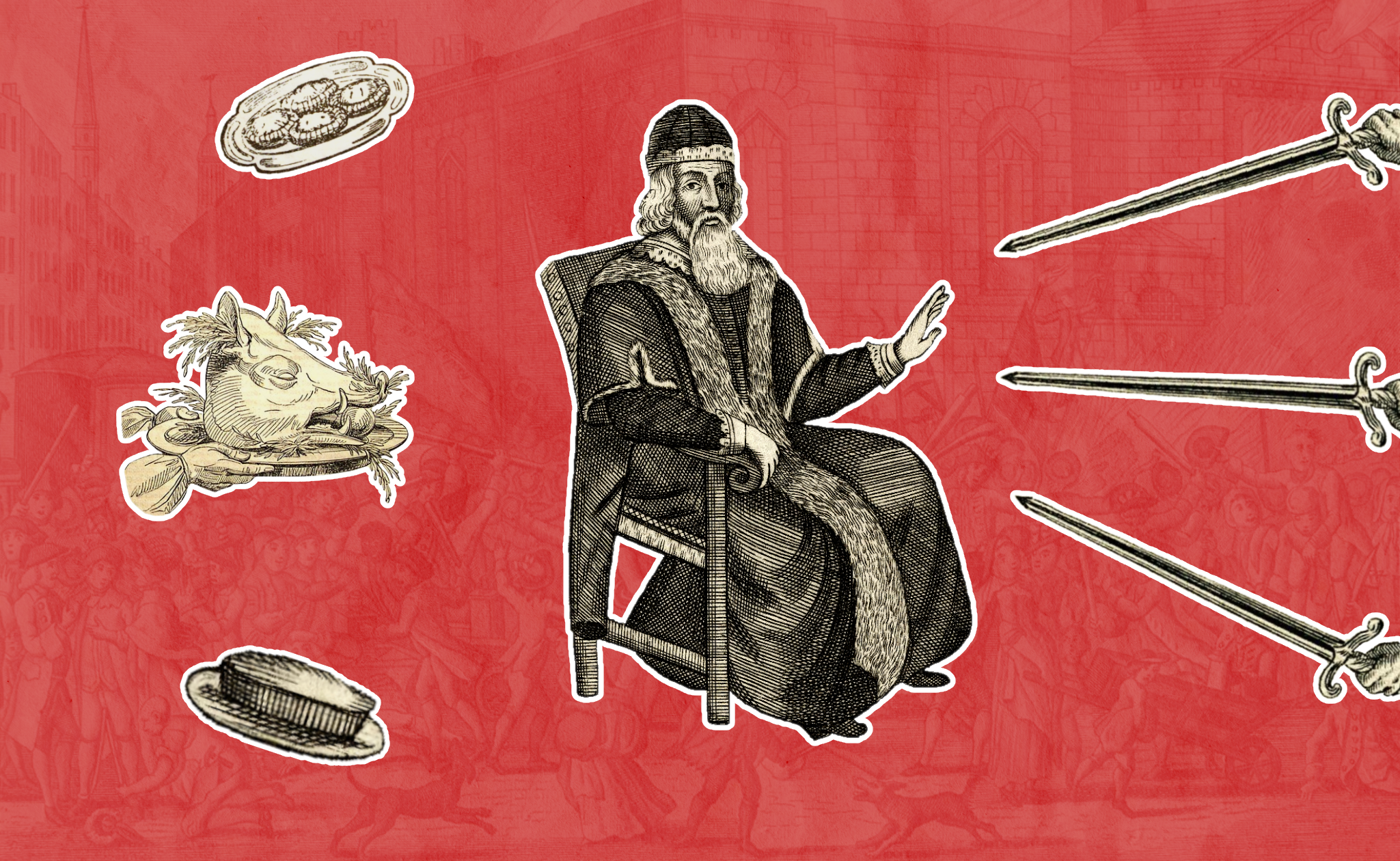
Jailing Santa Claus and Plum Pudding Riots: 17th-Century Puritans’ War on Christmas
Forget today’s faux outrage over “Happy Holidays” and Starbucks’ festive cups, England’s godliest Protestants launched a proper attack on the holiday nearly 400 years ago.
-
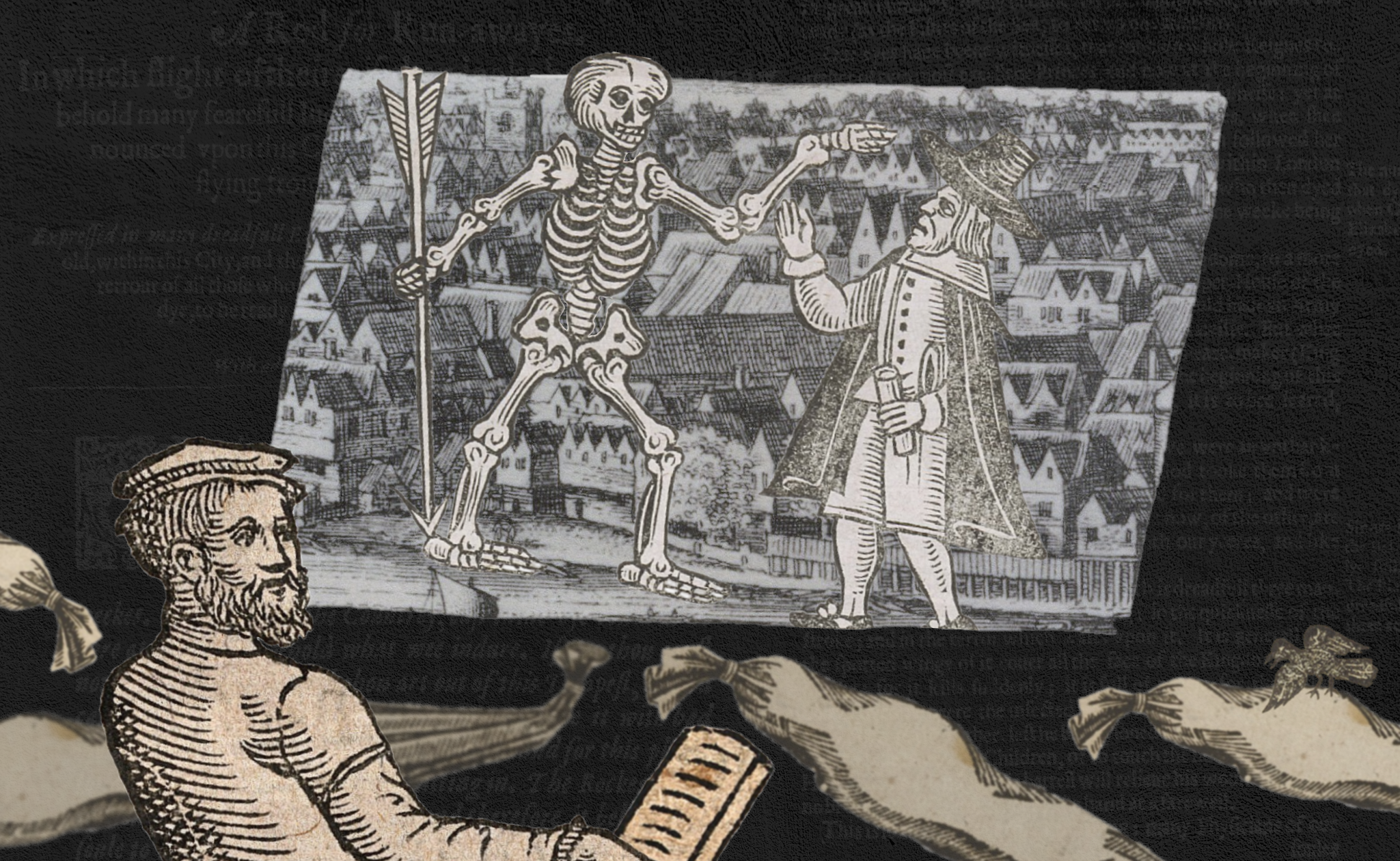
The Dramatist Who Dared Document England’s Forgotten Plague of 1625
Forty years before the Great Plague of London, the pestilence killed tens of thousands in England’s capital city — and was documented in grisly detail by Thomas Dekker.
-
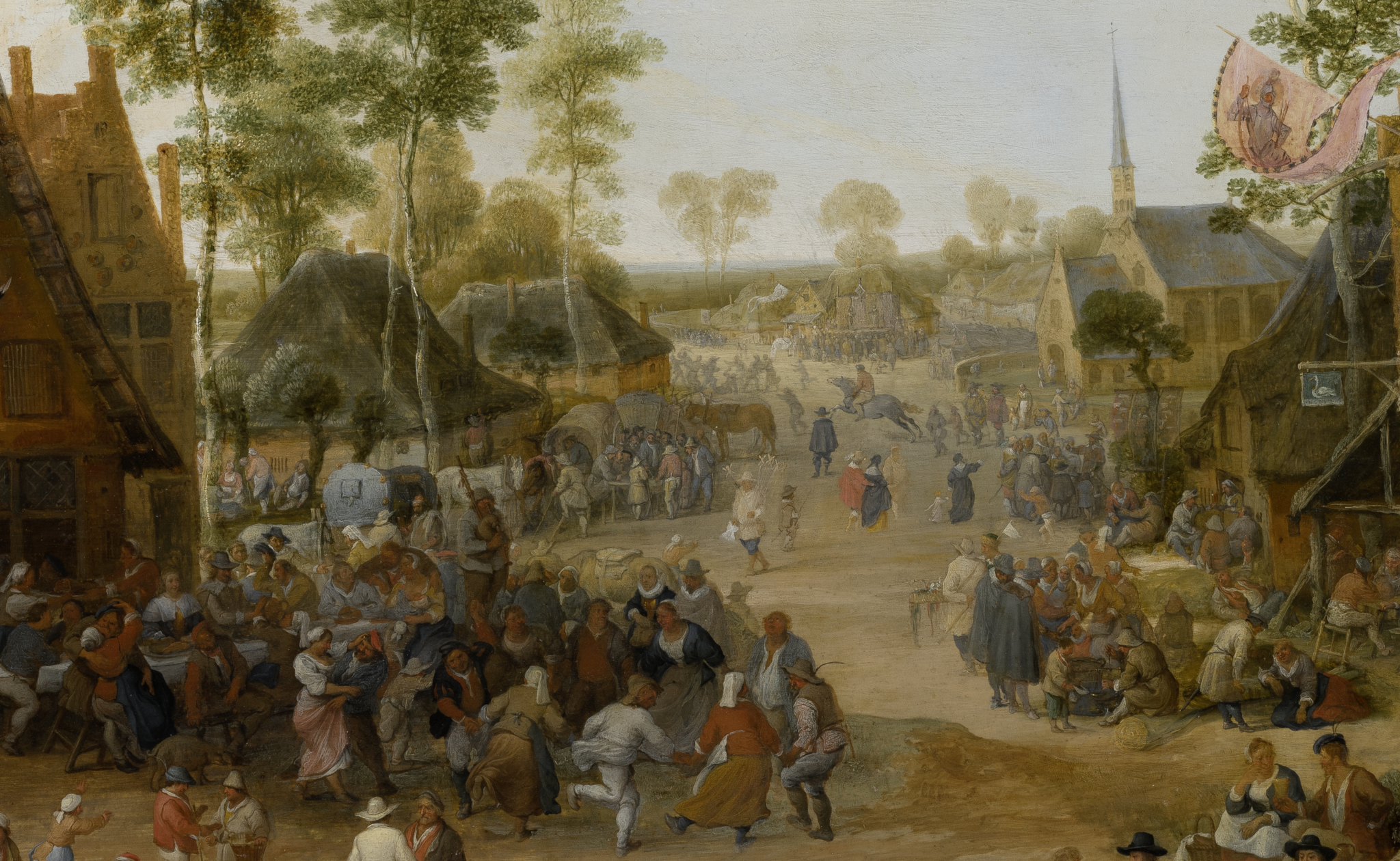
How Boozy Church Ales Brought Tudor and Stuart Communities Together — Before Tearing Them Apart
Merry feasts, lavish drinking, and colourful pageants put England’s church ales on a collision course with miserable Puritans. Things came to a dramatic head in Somerset in 1607.
-
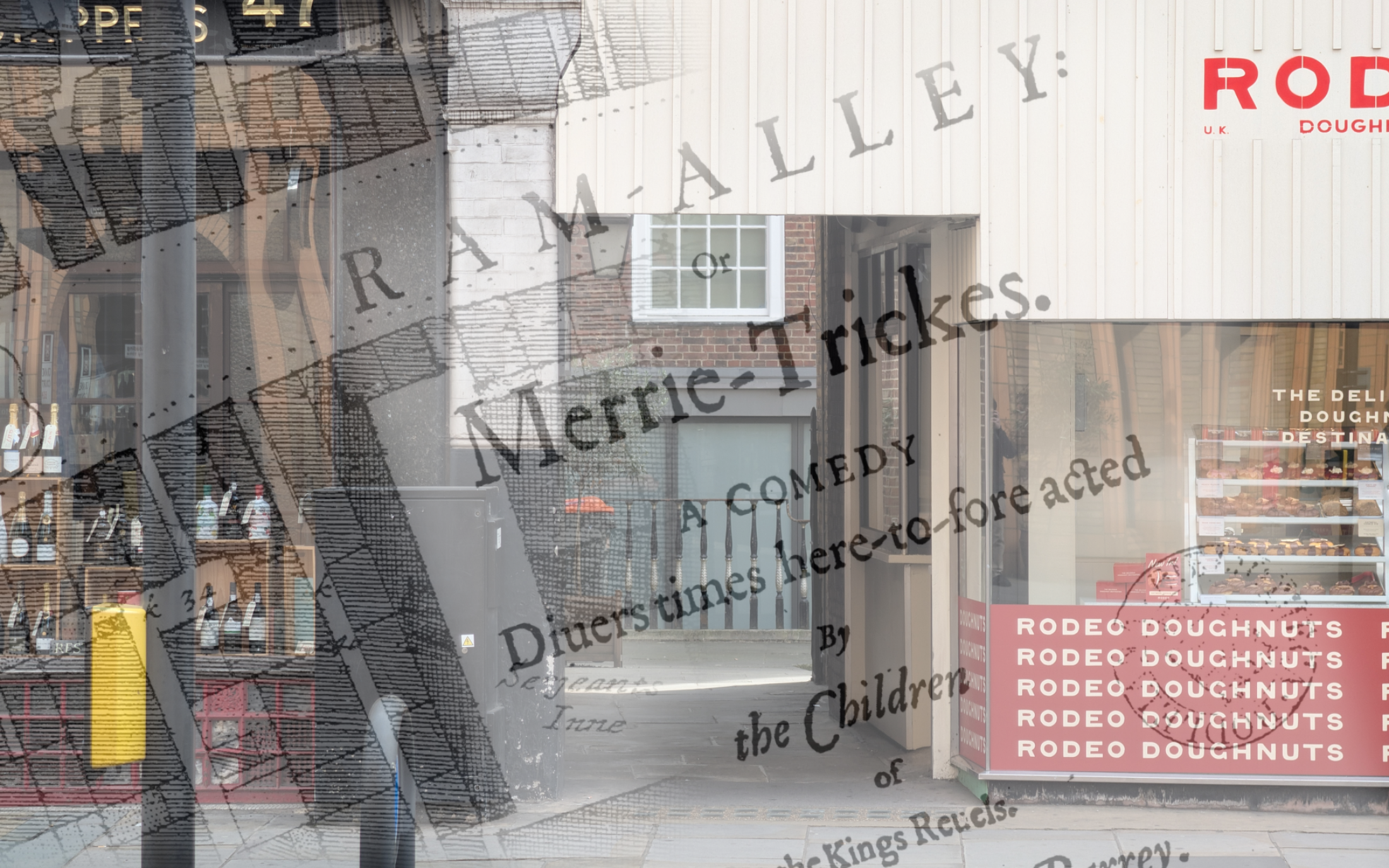
Ram Alley: The London Passageway That Was a Notorious Criminal Refuge in the 1600s
An obscure legal loophole meant an inconspicuous lane on Fleet Street became a criminal sanctuary, loved by overdue debtors and feared by London’s constables.
-

Claiming to Know Fairies, a Fake Fortune Teller Became Tudor England’s Most Notorious Scammer
Judith Phillips humiliated a rich farmer in Hampshire by riding him like a donkey, conned a wealthy widow out of her fortune, and became a scandalous celebrity in Elizabethan London — inspiring ballads, pamphlets, and possibly a play.
-

What Was Life Like for a Pamphleteer in Elizabethan England?
Early professional writing was a poorly remunerated, creatively restricted, and generally disreputable career. How on earth did it produce some of England’s greatest minds?
-

This 17th-Century Handbook Promised to Satisfy All Curiosities, From Magic Tricks to Firework Dragons
John White’s instructive 1651 pamphlet offered readers guidance for all kinds of experiments, illusions, and eccentric contraptions.
-

Dressing up as the Devil Was the Strangest Lie Detection Technique in Stuart England
How do you ensure a key witness in a murder case is telling the truth in an age before polygraph tests and body language analysis? You may need the help of fancy dress.
-
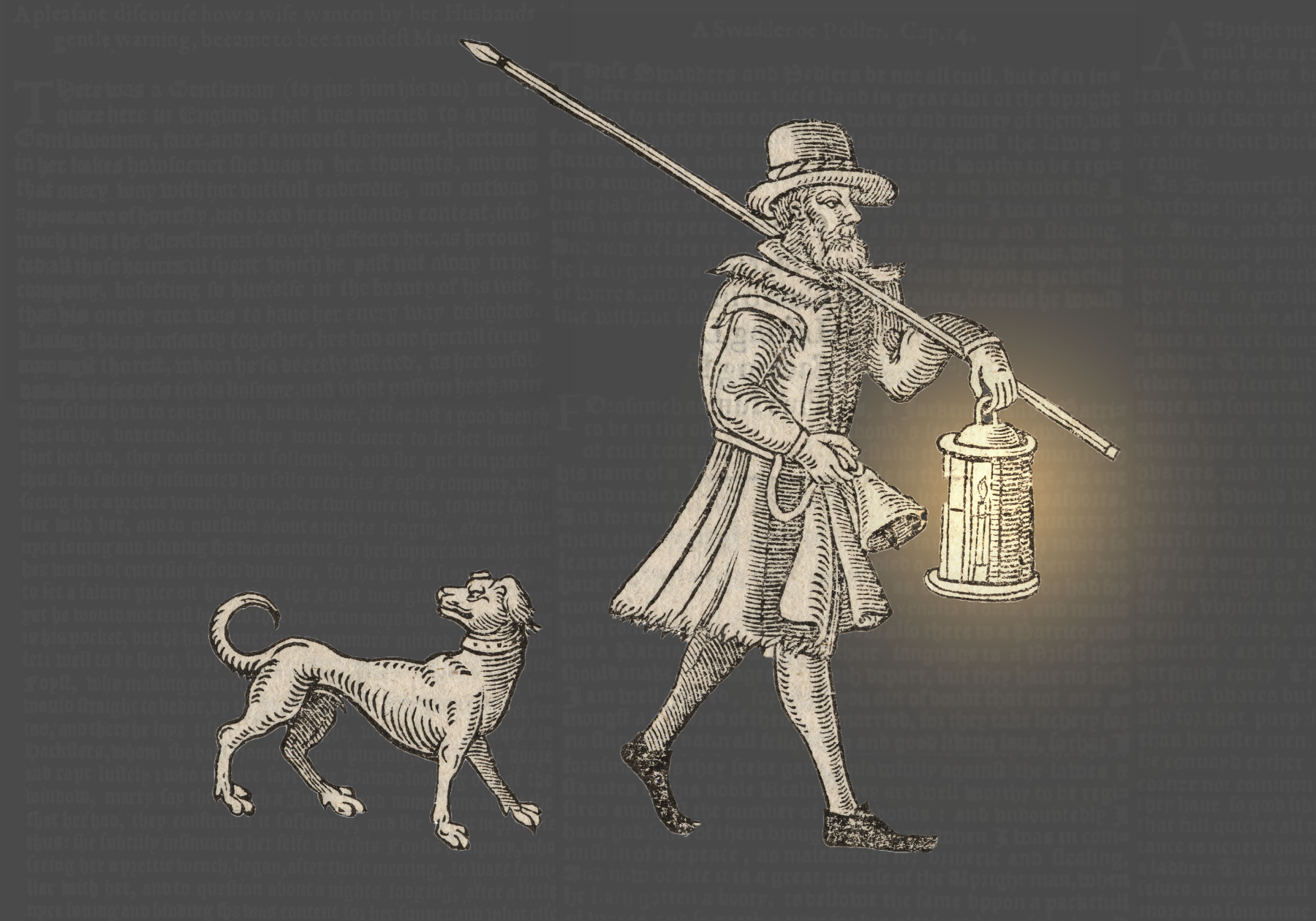
A Guide to Tudor England’s Criminal Underworld (And the Writers Who Invented It)
Was Elizabethan London really the site of an active, dangerous, and highly organised criminal underworld complete with its own ranks, cryptic dialect, and conventions?
-

Should We Pay More Attention to Shakespeare’s Contemporaries?
More than 400 years since the publication of the First Folio, there is no English writer quite so ubiquitous as Shakespeare. But some academics and creatives are asking a scandalous question: is it time the Bard’s contemporaries got a voice of their own?