Piers Mucklejohn
I created Early Modern Scribbling in late 2020, during the COVID-19 pandemic, as a way to turn my undergraduate history research into something which might be interesting to a non-academic audience. Since then, the site’s content has broadened to include all kinds of interesting historical stories from the Tudor and Stuart periods — particularly those which involve books, plays, poems, and other forms of popular literature.
I have a BA in History from the University of Exeter and a master’s degree in Early Modern History from the University of Oxford.

-

Witchcraft, Demonism, and Agency in ‘The Witch of Edmonton’ (1621)
Staged in the same year it was set, this play’s selling point of supernatural horror acts as a veneer for a much more nuanced view on the nature of witches.
-

The Witch of Edmonton, Ballad-Mongers, and Early Modern Fake News
The term ‘Fake News’ may have been popularised by Donald Trump during his 2016 presidential campaign, but the deliberate spread of misinformation under the guise of ‘news’ has existed for much longer
-

Woods and Witches: Two Unexplained Deaths in 17th-Century London
Two pamphlets from the 1680s recount the discovery of two bodies in London. But how did they die?
-

Early Modern UFOs
Looking towards the heavens is no new phenomenon. Neither is thinking something strange is happening in the sky overhead.
-

‘In The Burning Flames of Fire I Should Fry’: Mariticide in Two Early Modern Execution Ballads.
Anne Wallen and Alice Davies were both executed for murdering their husbands in the 17th century.
-

Morbid Print: Bills of Mortality in Early Modern London
Death was commonplace in early modern England, particularly during bouts of plague. From 1603, Parishes produced regular bills of mortality to monitor burials and births weekly, with annual bills produced by the Company of Parish Clerks of London. But can these macabre broadsides offer more than just tallies of death?
-

Maids, Sausages, and Cross-Dressing: Gender in Crime Ballads.
The strange tale of a maid robbing a group of men at sausage-point says more about attitudes towards gender than may at first appear.
-
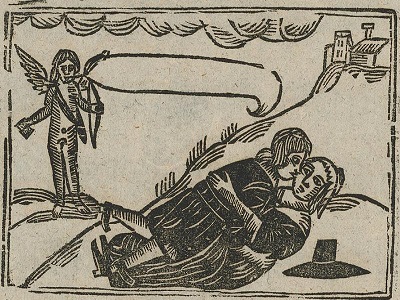
The Role of Woodcuts in Early Modern Print
Crude, cheaply-produced woodcuts which adorned pamphlets and ballads in early modern England were more than just trivial pieces of eye candy.
-
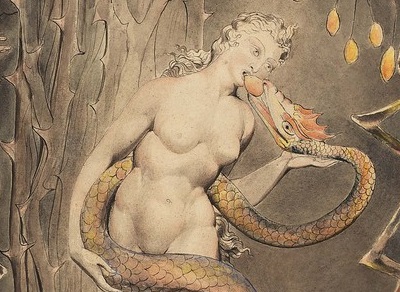
‘Feminism’ in Early Modern Writing
Be wary of ‘feminist’ ideas or characters whose strength comes from abandoning femininity itself.
-

What Caused Witchcraft Accusations in Early Modern England?
About 500 people were executed for witchcraft in England across the 16th and 17th centuries, as fear gripped much of the nation. But what led to these accusations in the first place?
-
17th-Century Crime and The Trivialization of Sexual Assault: The Case of “Whipping Tom”
How did a serial sex offender who terrorised women in late 17th-century London become an internet joke?
-

Holbein, Claesz, and Vanitas Paintings
Perhaps what early modern still life and vanitas paintings can show more than anything else is that the early modern world really was early modern.
-

How Accessible Were Early Modern Theatres?
So you fancy popping out to see a play in Shakespeare’s England — but how easy is it to get in? And will you understand what you see?
-
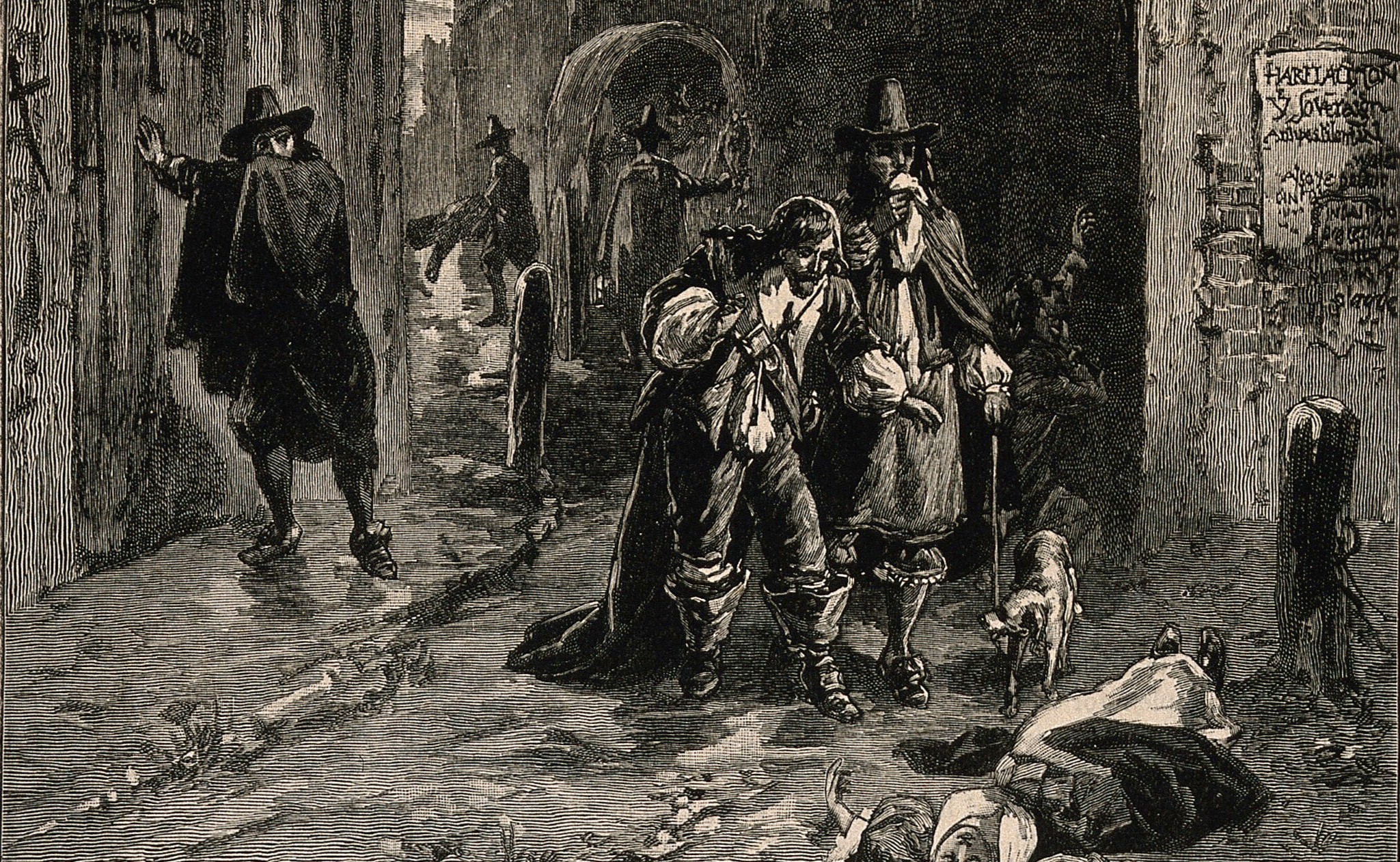
The Rich Londoners Who Tried to Flee the Great Plague
Similarities between the Great Plague of 1665/6 and the Covid-19 pandemic go far beyond the superficial.
-

Early Modern Monsters
For all the time which has passed, one thing which links us with our early modern ancestors is our fascination with the discovery of mesmerising sea monsters, disturbing creepy-crawlies, and other wonders of the natural world.
-
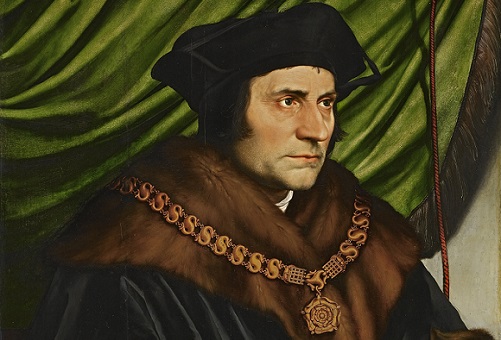
Was Thomas More a Communist?
How do you label a man whose ideas were hundreds of years ahead of his time?
-
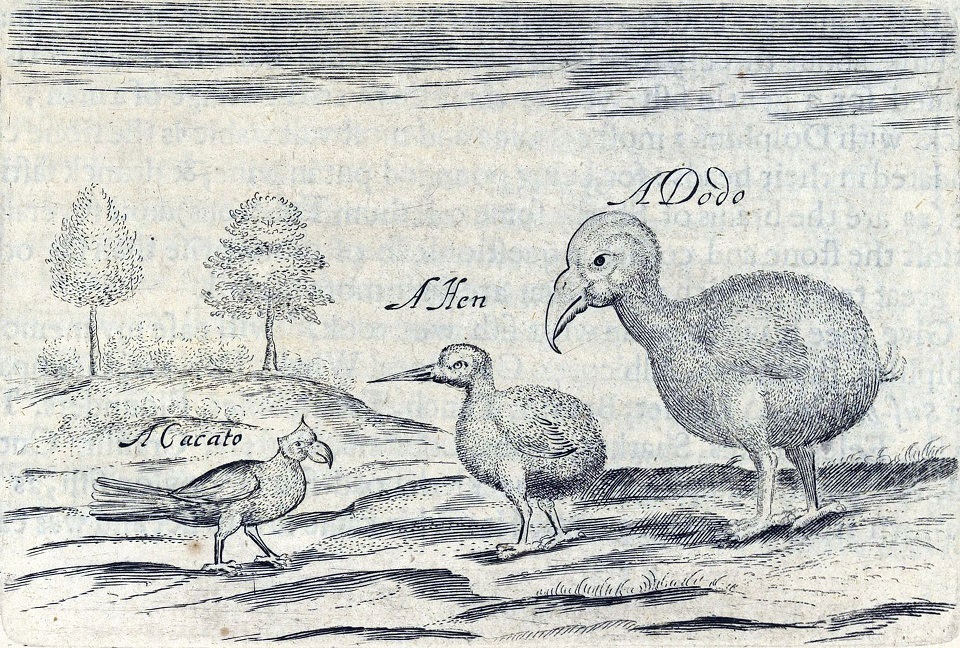
Travel Writing in 17th Century England: Geography or Morality?
Early modern travellers did not just want to inform the public of their journeys and discoveries — they wanted to edify and morally instruct them too.
-

Early Modern Crime Thrillers
Who doesn’t love a good crime drama? Some of the most popular shows of the 21st century fit firmly within that category. Sherlock, Agatha Christie’s Poirot, and Wallander (to name a few) have all seen huge success. But our fascination with tales of terrible transgression is nothing new.