Home > Categories > Literature and Art
-

What Can a Crude Woodcut of a 17th Century Family Tell Us About Domestic Abuse in Early Modern England?
Adorning a ballad sold by a popular publisher in 1638, this wholesome picture of a family at the dinner table in is not all that it appears to be.
Literature and art in early modern England
The 16th and 17th centuries saw the English Renaissance usher in significant developments in art and literature, from the blossoming of Tudor court artists and the invention of the portrait miniature to the introduction of the sonnet into England and the popularisation of public theatre.
The fruits of Shakespeare’s mind, and those of his contemporaries in drama and poetry, were not purely restricted to the playhouses, but also proliferated in the form of cheap printed copies, often produced without the author’s knowledge or consent but without which some of the most seminal dramatic works of the early modern period would not survive today.
The experimental form of theatre which playwrights engaged with creatively during the 1580s, as the first purpose-built public theatres emerged, was mirrored by the literary innovation of the Civil War and Interregnum, when “the atoms of literary genres were repeatedly fragmented and re-assembled in response to traumatic events”, according to the scholar Joad Raymond. Cheap print culture flourished during this time and contributed to a dynamic public sphere.
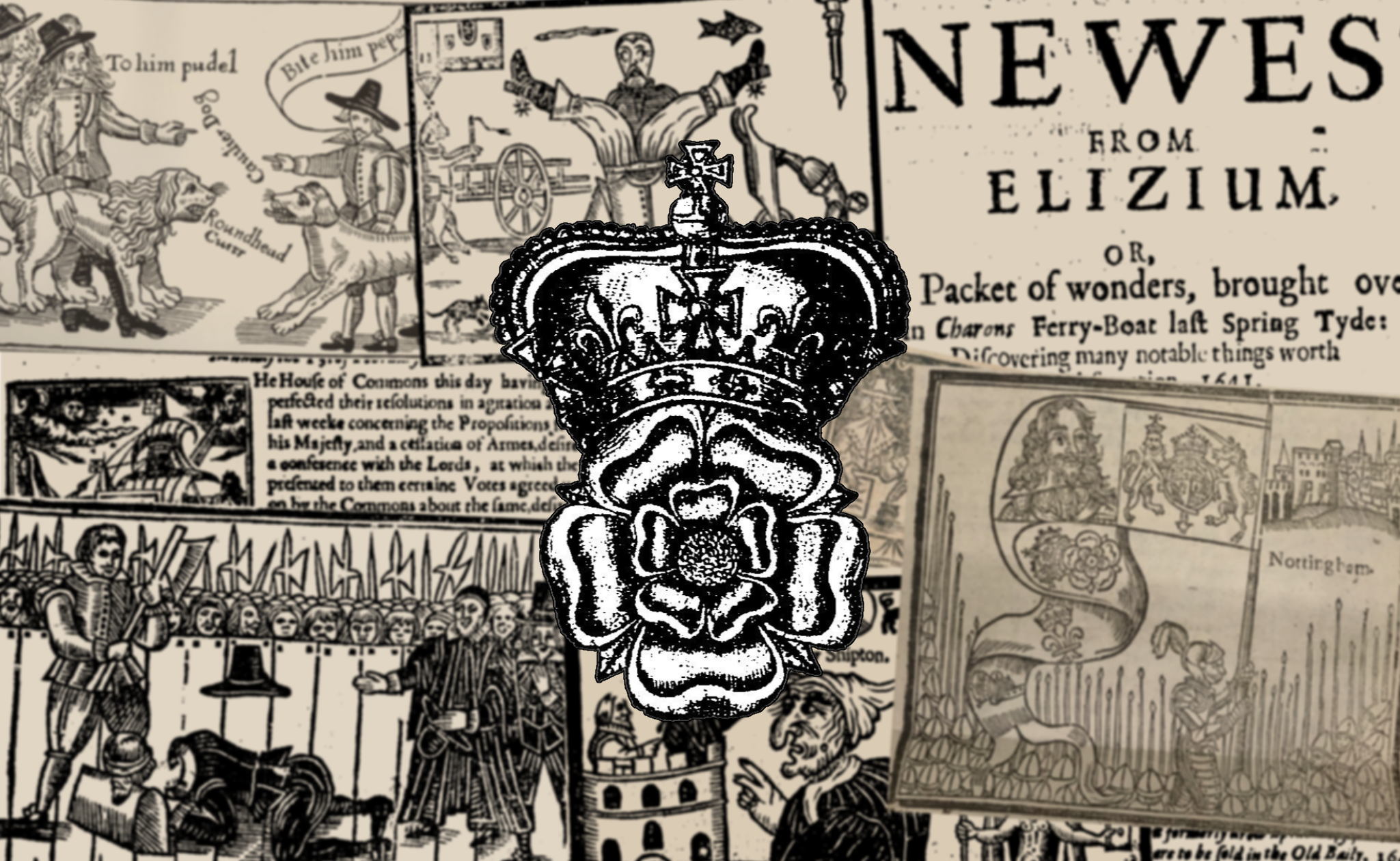
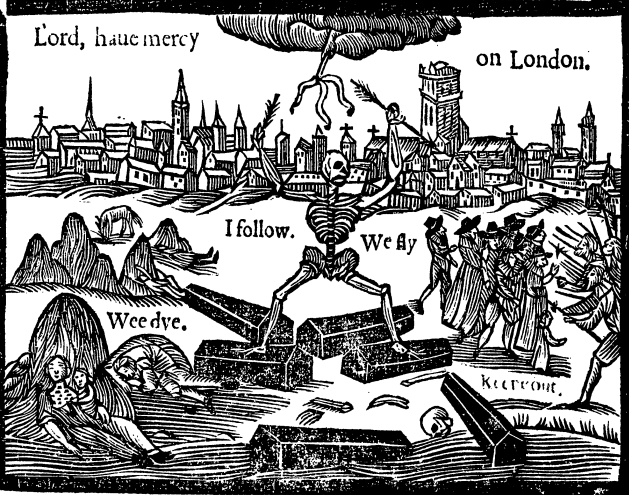
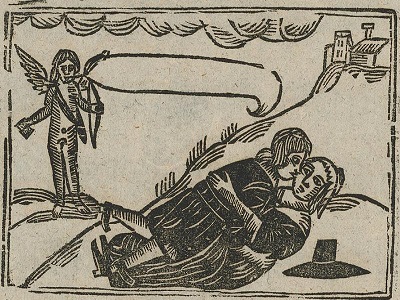
One form of art which developed during this time, though largely neglected by academic study until recently, was the woodcut illustrations printers and publishers used to grab potential customers’ attention and advance a text’s meaning visually. Woodcuts often accompanied popular new types of literature, such as travel writing.