Home > Categories > Politics
-

Why the Duke of Buckingham’s 1627 Siege of Saint-Martin-de-Ré was a Stuart PR Nightmare
When George Villiers’ siege of a French island didn’t go to plan, he turned to England’s printed news to salvage his image.
Early modern politics
The early modern period was a time of political upheaval on an international scale — and England was no exception. The way the monarch’s household functioned and the manner in which royalty maintained a grasp on power were both transformed by Tudor patriarch Henry VII, whose use of the Chamber over the Exchequer, creation of the Council Learned in the Law, and encouragement of meritocracy over nepotism and cronyism marked a departure from medieval customs.
The status of Parliament was a precarious and tumultuous one throughout the early modern period, as Henry VIII reaped both rewards and drawbacks after empowering it in order to break the English Church’s ties with Rome. It was, moreover, neglect of Parliament during the “eleven years tyranny” between 1629 and 1640 which led the country into civil war and ended with Charles I losing his head.
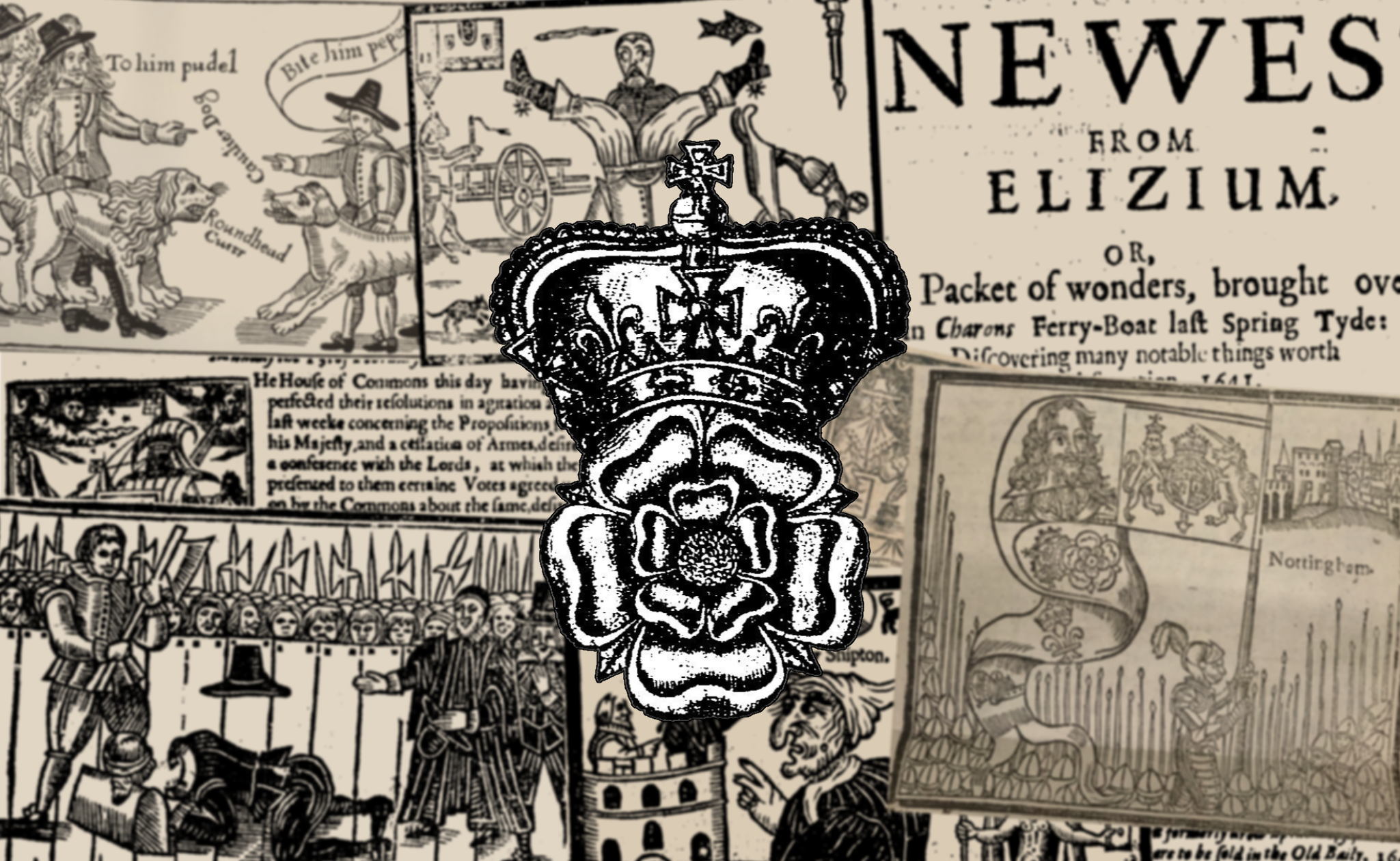
There had long been popular interest and involvement in politics, from large-scale rebellions to petitions which called for change, but the advent of printing in England during the 1470s meant writers could make their views more public than ever before — and often did so anonymously, using secret printing presses, for fear of political persecution. Regulating the print market became a key concern for monarchs, parliaments, and religious leaders whose authority it threatened to undermine.
At the same time, radical ideas about the way society should be run — advancing the equality of the sexes, criticising capitalism, questioning the role of monarchy, and even condoning atheism — began to circulate in print and oral culture.