Home > Categories > Early Modern Journalism
-

What Was Life Like for a Pamphleteer in Elizabethan England?
Early professional writing was a poorly remunerated, creatively restricted, and generally disreputable career. How on earth did it produce some of England’s greatest minds?
Early Modern Journalism
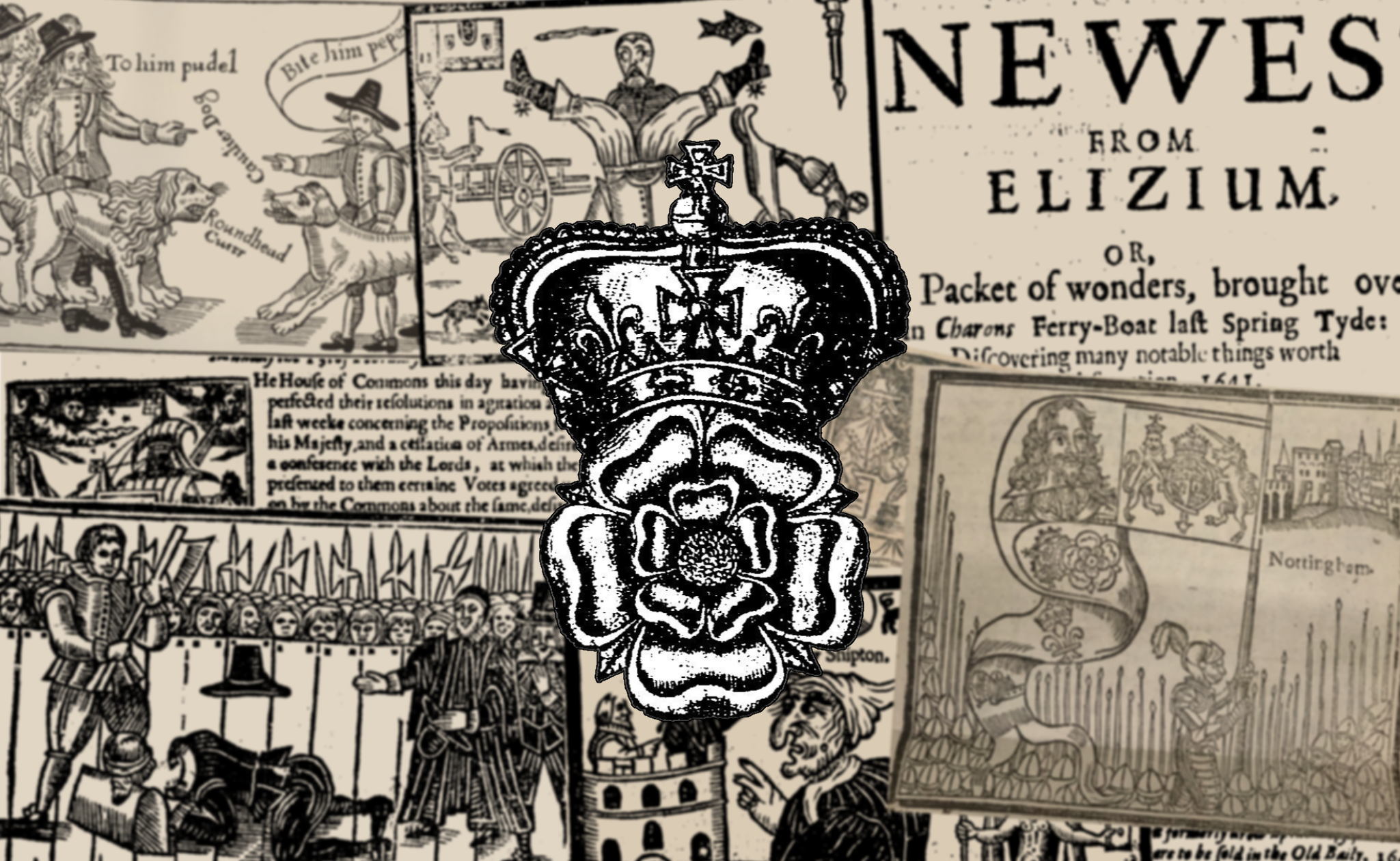
People in Tudor and Stuart England were just as keen on getting the latest news as we are today — but the way information travelled was very different. The news was sung from broadside ballads, read privately and communally in short pamphlets, and spread rapidly across London and then outwards to the provinces through oral gossip and rumour.
The printing press had been introduced into the country by William Caxton in 1476 but it would take nearly a hundred years for news pamphlets written in English for an audience of the “middling sort” to properly take off. This readership comprised literate professionals, artisans, businessmen, and others who had enough money to spare on the cheap texts which packed booksellers’ shops by the end of the 16th century.
Printed news reports were heavily influenced by prevailing religious notions of providence. Many sought to instil Protestant values into their readers’ souls while also exploiting popular anxieties and fascinations by providing titillating accounts of gory murders or wondrous supernatural events.
How important truth was for news writers, publishers, and printers has been a matter of scholarly debate for hundreds of years. What’s certain is that early printed news items, which had developed by the time of the Civil War to produce the earliest proto-newspapers, ushered in a new journalistic process of news gathering, representation, and distribution.