Home > Categories > Crime, Disease, and Death
-
A Guide to Tudor England’s Criminal Underworld (And the Writers Who Invented It)
Was Elizabethan London really the site of an active, dangerous, and highly organised criminal underworld complete with its own ranks, cryptic dialect, and conventions?
Crime, disease, and death in early modern England
Nothing sells quite as well as crime, and our modern obsession with “true crime” documentaries, podcasts, and television shows has its roots in street literature and tales which captured the imaginations — and purses — of early modern audiences.
When word of a murder reached the ears of Tudor and Stuart booksellers — whether it came from afar in a letter or locally through word-of-mouth — the race was on to employ a speedy writer, perhaps commission a grisly woodcut illustration, and put the presses to work as quickly as possible.
Some publishers specialised in murder pamphlets, which promised buyers an exciting read, or crime ballads, which were sung in the alehouses of London. Identifying two particularly enterprising publishers, Matthias Shaaber wrote that “while Henry Gosson and Thomas Pavier lived, a murder was hardly complete without a ballad or two published by one or the other of these men”.
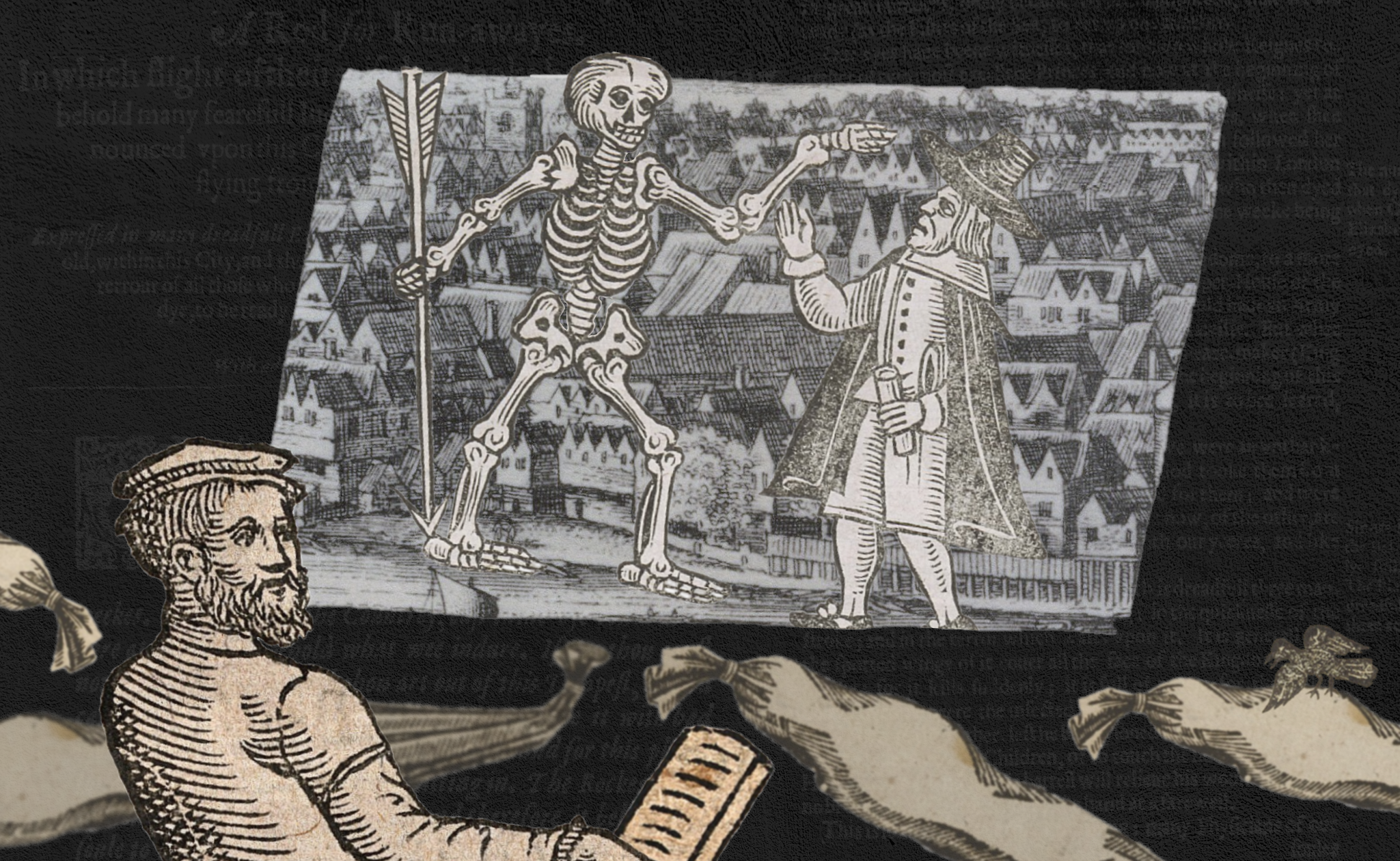
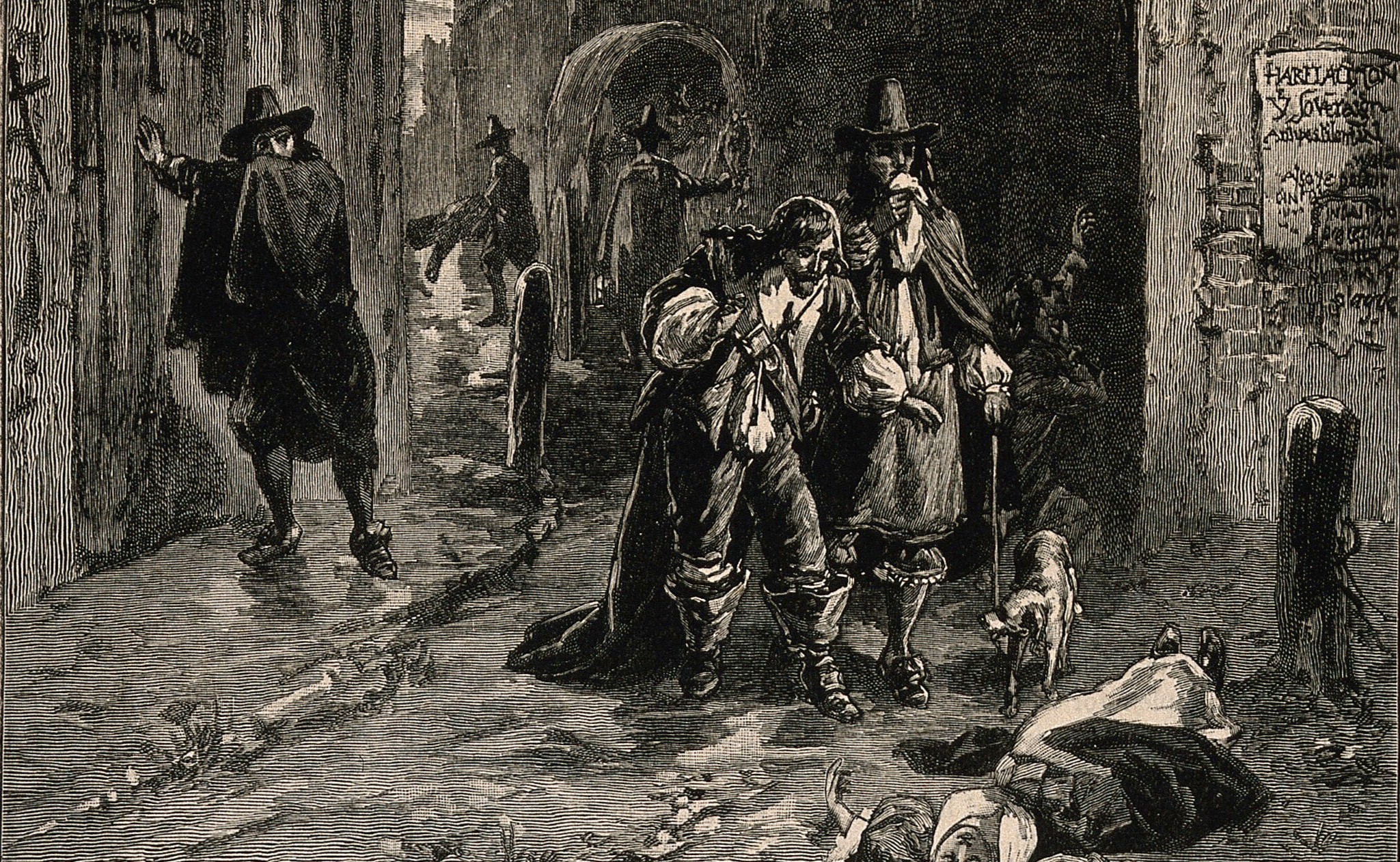
And when other people weren’t out to get you, bouts of illness, famine, and harsh weather were competing to rob you of your life. Plague struck England many times in the years preceding the Great Plague of 1665 and though the pestilence brought many of the capital’s retailers to a standstill — their clientele being dead, having fled, or fearing to walk the streets — these occasions also sparked a flurry of books, from physicians’ medical texts to bleak accounts of the misery on London’s streets.